Burj Khalifa Visit Schedule: Essential Insights
Intro
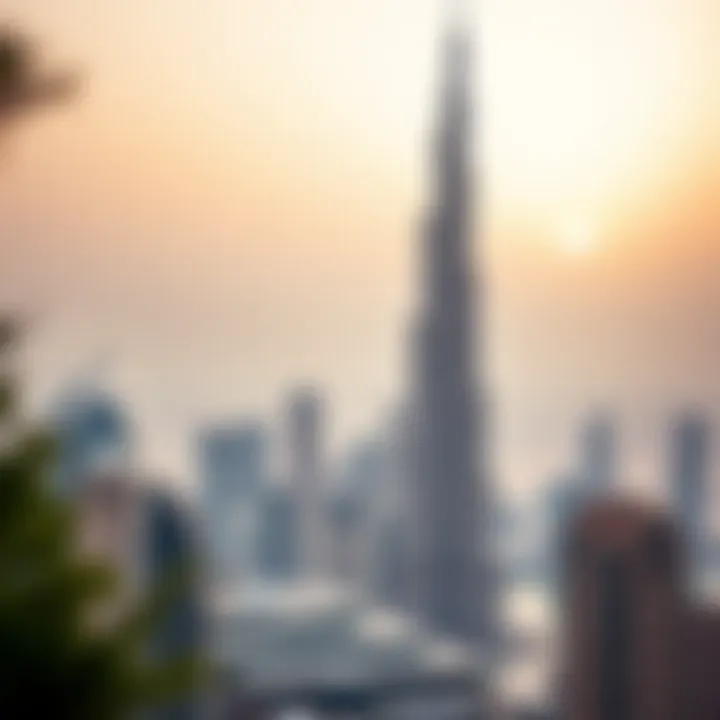
The Burj Khalifa isn't just a towering feat of engineering; it symbolizes the ambitions of modern Dubai and stands as the beacon of architectural achievement. As the tallest building in the world, it boasts an incomparable height of 828 meters. However, for many, the allure of visiting this icon goes far beyond just its height; it encompasses the experience of standing amidst the luxurious ambiance, taking in breathtaking panoramic views, and understanding its role in shaping Dubai's real estate landscape.
This article will guide you through the nuances of visiting the Burj Khalifa, touching on its operations, the best times to visit, ticketing options, and contextualizing its significance within the booming property scene of Dubai. To enhance your journey, we’ll delve into market insights that hold relevance for investors, realtors, renters, and homebuyers looking to leverage their experiences with this landmark.
Market Insights
Exploring the Burj Khalifa isn't merely a tourist activity; it connects you with the pulse of Dubai's evolving real estate market.
Current Trends in Dubai Real Estate
In recent years, the Dubai real estate market has shown significant fluctuations influenced by several factors—global economic trends, tourism, and government policies, to mention a few. The proximity to attractions like the Burj Khalifa tends to elevate property values, making areas nearby highly desirable.
- High demand for luxury accommodations has led to the development of exclusive property units in the vicinity.
- The government has introduced attractive policies for investors, including a long-term visa scheme that encourages foreigners to invest in real estate.
- Anticipation for events like Expo 2020 has driven short-term rental markets, with investors looking to capitalize on the influx of visitors.
Future Projections and Analysis
The future seems bright for Dubai real estate, especially around key landmarks such as the Burj Khalifa. Experts suggest that as Dubai continues to establish itself as a global tourism hub, property values are likely to rise. An increase in mega-events, like international exhibitions and concerts, is projected to boost the demand for both residential and commercial properties.
- Analysts indicate a potential 10-15% rise in property prices over the next five years, particularly near prominent attractions.
- The durability and adaptability of the Dubai market play a crucial role in maintaining investor confidence.
The evolution of the Burj Khalifa area highlights not just architectural ambition, but also the dynamic nature of Dubai’s real estate.
Property Investment Strategies
When considering property investments influenced by the Burj Khalifa’s allure, strategically positioning oneself is key.
Tips for New Investors
For those entering the market, here are a few pointers to keep in mind:
- Research the Location: Understand the real estate market dynamics in areas surrounding the Burj Khalifa.
- Assess Rental Potential: Focus on properties that cater to tourists and expatriates, as there is often a high demand for short-term rentals.
- Consider New Developments: Stay informed about upcoming projects that might emerge as the Dubai skyline continues to evolve.
Key Factors to Consider When Investing
As you explore potential investments, several factors should guide your decision-making process:
- Market Conditions: Keep an eye on both local market fluctuations and broader economic indicators that could impact Dubai’s real estate market.
- Regulatory Environment: Be aware of real estate laws and regulations that can affect your investment.
- Long-term Growth Potential: Assess the overall infrastructure development and accessibility that new projects bring to the area.
Relevant Resources
Wikipedia - Burj Khalifa Britannica - Burj Khalifa Real Estate in Dubai - Official Government Portal
Prelude to the Burj Khalifa
The Burj Khalifa stands as an emblem of architectural wonder, not just for its staggering height—but for the array of experiences it offers to visitors from all walks of life. This remarkable structure, reaching a height of 828 meters, is more than just the tallest building in the world; it is a beacon of modern engineering and a testament to human ingenuity. In this article, we will delve into the intricacies of visiting this iconic landmark, ensuring that your time spent there is nothing short of memorable.
Understanding the significance of the Burj Khalifa is critical, especially for investors, realtors, renters, expats, and homebuyers who find themselves in Dubai's dynamic landscape. This skyscraper is not just a tourist attraction; it plays a pivotal role in the local economy and real estate market. With its proximity to essential services, remarkable views, and status as a cultural landmark, grasping its importance enhances the visitation experience.
The steps to planning your visit may seem daunting, but with the right information, it can be as easy as pie. We will cover essential elements, including the best times to visit, ticketing options, and how to navigate potential peak periods effectively.
Additionally, touching on architectural features and historical relevance will provide a deeper understanding of what makes the Burj Khalifa a must-visit site for anyone in Dubai. By presenting the visit schedule alongside relevant insights into the broader implications of the structure's existence in Dubai, we aim to ensure every reader walks away with a wealth of knowledge—ready to explore this magnificent monument with both excitement and purpose.
"The Burj Khalifa isn’t just a building, it’s a statement—the possibilities of human achievement are limitless."
Historical Overview
The Burj Khalifa stands as a testament to human ingenuity and architectural ambition. Its towering presence in Dubai is not merely a symbol of modern engineering, but a landmark that reflects the evolution of urban landscapes in a rapidly developing city. Understanding the historical context surrounding its construction and design enriches one's visit to this iconic structure.
Construction Timeline
The construction of the Burj Khalifa was no small feat. It began in 2004 and reached completion in 2010, not without its fair share of challenges. The timeline reveals a meticulous process that involved planning and coordination among various stakeholders. The design, conceptualized by the renowned architecture firm Skidmore, Owings & Merrill, required innovative strategies to address structural concerns, particularly regarding wind resistance due to its great height.
- 2004: Groundbreaking ceremony; the start of a dream.
- 2007: The building reached a pivotal milestone, surpassing critical foundation stages.
- 2010: In January, the tower was officially opened, marking a significant achievement in architectural history.
This timeline serves as a backdrop for understanding the significance of the Burj Khalifa in Dubai's rapid transformation into a global hub. As the tallest building in the world, it symbolizes not just an architectural triumph, but also Dubai's aspirations to define itself on the world stage.
Architectural Features
Diving into the architectural features of the Burj Khalifa reveals a synthesis of tradition and innovation. Its design draws inspiration from Islamic architecture, notably the minarets, while incorporating ultra-modern materials and technology. The tower boasts a unique triple-lobed footprint, crafted to minimize wind turbulence—a necessity for a building that soars 828 meters into the sky.
Among the standout features are:
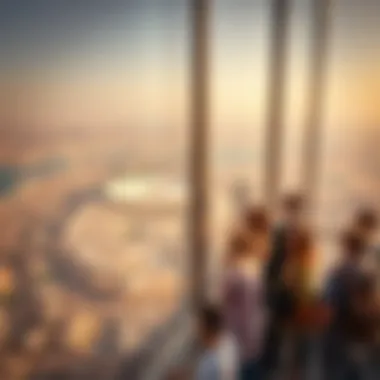
- Observation Decks: The viewing areas at the 124th and 148th floors provide jaw-dropping panoramic views of the city and beyond.
- Lighting Display: The tower's exterior is adorned with a sophisticated lighting system that transforms it into a vibrant canvas every evening.
- Sustainability Initiatives: Significant attention has been given to its energy efficiency, including a condensation collection system that reduces water usage.
In essence, the Burj Khalifa's architectural sophistication is a blend of art and science, setting new standards for skyscrapers worldwide. For those interested in architecture and design, these elements create a tapestry of meaning behind the mere act of visiting this monumental structure.
Visitation Schedule
The visitation schedule serves as a vital aspect of a trip to the Burj Khalifa, the tallest building in the world. Understanding the timing for visits not only helps in planning the journey but also enhances the overall experience. When strategizing about when to visit, factors such as daily operating hours and seasonal changes play a crucial role. It allows visitors to make the most of their time while avoiding large crowds, especially during peak seasons when the building sees an influx of tourists eager to appreciate its architectural glory.
Planning is key for investors, realtors, renters, expats, and homebuyers who might have specific timeframes they wish to stick to while in Dubai. Therefore, grasping the intricacies of the visitation schedule ensures that visitors fully optimize their experience at the site while also being mindful of the daily hustle of the city.
Daily Operating Hours
The daily operating hours for the Burj Khalifa are set to accommodate varying visitor patterns throughout the day. Typically, the observation decks, located on the 124th and 148th floors, are open from 8:30 AM until midnight. Operating during the later hours allows visitors to catch a breathtaking sunset view over the Dubai skyline. Generally, peak visiting hours occur in the late afternoon and early evening, particularly around sunset.
A helpful tip is to purchase tickets online in advance. This pre-planning not only secures your entrance but also allows you to pick the most suitable time slot for your visit. Moreover, considering the traffic and accessibility during the late afternoon can lead to a smoother experience. Do keep in mind that the final elevator rides up might get crowded as sunset approaches, leading to a longer wait.
Seasonal Variations
The visitation schedule can vary with the seasons, dictated predominantly by climatic conditions and local events. During the winter months, particularly from November to March, Dubai experiences mild weather making it a highly favorable visiting period. Expect an increase in foot traffic during this season as many tourists flock to the area to enjoy the pleasant temperatures and festive events.
Conversely, the summer months, stretching from June to September, can witness a dip in visitor numbers due to the intense heat. Therefore, the daily schedule may have longer gaps or reduced operating hours. Such variations often extend the time visitors can spend soaking in the views without the usual hustle and bustle.
Important Note: Be sure to check the official Burj Khalifa website or local sources for any changes to the schedule before planning your visit, as special events or maintenance work can alter availability.

Ticketing Information
Understanding the ticketing information for the Burj Khalifa is essential for anyone planning to visit this towering marvel. With its status as a premier attraction in Dubai, knowing the ins and outs of purchasing tickets ensures a hassle-free experience, allowing visitors to spend less time worrying about logistics and more time enjoying the panoramic views. Plus, with the various ticket types, it's possible for all types of travelers—whether families, solo adventurers, or serious investors—to find an option that fits their needs.
Types of Tickets Available
When it comes to enjoying the Burj Khalifa, you have a few different tickets to choose from:
- At the Top, Level 124 & 125: This ticket grants access to the observation decks located on levels 124 and 125, providing visitors with magnificent views of the cityscape and beyond. It's a popular choice for those eager to snap some photos at Dubai's highest vantage point.
- At the Top Sky, Level 148: This premium ticket takes you even higher, to level 148, which is the highest observation deck in the world. The experience here includes access to a lounge on the top floor, which offers a more exclusive atmosphere for those looking to soak in the impressive sights while enjoying a little luxury.
- Sunset Tickets: For those who seek the perfect ending to a day in Dubai, sunset tickets offer a chance to catch the fading light as the sun dips below the horizon. This type of ticket is often more costly, reflecting the unique experience it provides.
- Guided Tours: Some tickets come bundled with guided tours, allowing visitors to have a more enriching experience as they learn interesting facts and stories about the Burj Khalifa and its significance to Dubai.
Booking Options
With the digital age upon us, there are numerous ways to book your tickets to the Burj Khalifa:
- Official Website: The most straightforward way to secure your tickets is by visiting the official Burj Khalifa website. Here, you can make your selections and pay securely.
- Mobile Apps: Various travel and tour apps offer convenient ticketing options for the Burj. This is particularly useful if you're on the go and prefer to handle all reservations from your mobile device.
- On-Site Purchase: While it's possible to buy tickets in person at the Burj, be aware that this can lead to long lines—especially during peak tourist seasons. It's usually best to book in advance online.
- Third-Party Vendors: Some travel agents and online platforms manage bulk purchases and package deals, which may include entry to the Burj Khalifa along with other experiences in Dubai. Always check reviews for these services before proceeding.
Pricing Structure
Ticket prices for the Burj Khalifa can fluctuate based on a variety of factors including time of day, season, and specific offers:
- The basic ticket for access to levels 124 and 125 generally ranges around 150 AED, but this price can vary.
- Premium tickets for access to the 148th level often go for upwards of 370 AED or more.
- Keep an eye out for special pricing during weekdays, as these can occasionally be more affordable than weekend rates.
- Additionally, children and senior citizens may benefit from reduced-rate tickets, which makes visiting more accessible to families.
"To visit the Burj Khalifa is to witness the pinnacle of modern architecture whilst standing in a city that symbolizes ambition on a grand scale."
For more detailed planning, visit the official Burj Khalifa page to find out more about specific ticket offers and upcoming events.
Peak Visiting Times
Understanding the peak visiting times for the Burj Khalifa is essential for anyone planning a trip to this iconic structure. Knowing when the crowds are at their heaviest can make a significant difference in the overall experience. The Burj Khalifa, being the tallest building in the world, draws visitors from all corners of the globe, especially during certain times of the year and specific events.
Visitors need to plan accordingly, as less crowded times not only provide a more comfortable experience but also enhance the opportunity to fully appreciate the stunning views from the observation decks. Moreover, for those interested in investing in real estate or tourism-related ventures, insights into these peak times reveal opportunities for business growth in the vicinity.
Whether it’s for personal enjoyment or professional considerations, emptying the schedule at the right time can be highly beneficial.
Busy Seasons and Events
When speaking of busy seasons, the months of December through February often see an influx of tourists. Winter in Dubai attracts many, due to the pleasant weather that contrasts with the scorching summer temperatures. Additionally, major events such as New Year's Eve and the Dubai Shopping Festival heighten visitor numbers. Here are several points to consider regarding busy seasons:
- Winter Months (December to February): Enjoying the most pleasant weather, many tourists rush in, leading to longer lines and wait times.
- Major Events like UAE National Day: Held on December 2, this event attracts massive crowds, coupled with celebratory fireworks and festivities, clearly boosting visitor footfall.
- Dubai Shopping Festival (Late December to January): Discounts and promotions bring shoppers from afar, making this period particularly busy.
It is advisable to check the calendar of events in advance if you're planning a visit during these peak times.
Best Times to Visit
Timing your visit can turn a good experience into a fantastic one. Here are some recommendations for visiting the Burj Khalifa when the atmosphere can be more tranquil:
- Early Mornings (Opening Hours): The first few hours after the opening usually provide a clearer view and fewer visitors.
- Late Afternoon (Before Sunset): A great option; visitors can witness stunning transitions as the day turns to night, providing distinct experiences in one visit.
- Weekdays Over Weekends: Typically, weekdays witness a lower turnout compared to weekends. Planning your visit during this time can allow you to explore freely.
Ultimately, a bit of strategic planning around peak visiting times not only safeguards against long lines but fully immerses visitors into the breathtaking experience that the Burj Khalifa has to offer. Moreover, understanding these patterns can empower real estate enthusiasts and business investors to time their ventures well, leveraging weaker tourist periods for promotions or personalized engagements.
Visitor Experience
The experience one has while visiting the Burj Khalifa is pivotal to fully appreciating this architectural wonder. It goes beyond just ascending to the top and marveling at the views. The whole journey of visiting is woven together by a myriad of factors that cater to every sense and expectation. From the moment one steps into the enormous lobby to the thrill of standing 828 meters above ground, understanding these elements is essential for making the most of one's visit.
One of the first aspects to consider is the seamless flow of guest traffic. The efficiently designed visitor pathways are a key component. They help manage the crowds while ensuring that even during peak hours, the experience remains pleasant. The escalators and elevators are not just functional; they’re engineered to enhance anticipation as visitors ascend to the observation decks.
Benefits of a Memorable Visitor Experience
A memorable experience at the Burj Khalifa can lead to:
- Enhanced appreciation for architectural ingenuity.
- Increased likelihood of recommending the site to others.
- A greater understanding of the cultural significance of Dubai as a global hub.
Moreover, this experience encapsulates the intersection of technology and design. Features such as the high-speed elevators, which can travel up to 10 meters per second, not only showcase an engineering marvel but also foster an air of excitement as visitors head upwards. There’s a psychological element at play as well—even a brief wait in line can heighten the anticipation of the panoramic views awaiting at the top.
Despite the logistical elements being critical for a smooth experience, emotional engagement plays an equally vital role. Visitors often feel a sense of awe when they look out over the endless horizon of Dubai and beyond. Such emotions can foster a personal connection with the place, impacting how one carries the memory of their visit.
Observation Deck Access
Gaining access to the observation deck is a key component of the Burj Khalifa experience. The first thing to note is that multiple options are available for visitors when it comes to which deck they wish to access. At the Top is located on the 124th floor, while the more exclusive At the Top SKY on the 148th floor offers a different dimension of the experience.
To streamline the process, tickets can be purchased online ahead of time, which not only saves one from potential queues but can also offer discounted rates during off-peak seasons. It's advisable to allocate sufficient time for the visit—about one to two hours is generally recommended. This allows for plenty of time to soak in the views, take photos, and even enjoy a drink at the café on the deck.
However, it’s essential to be aware of the time slots assigned when booking tickets. Arriving at the allocated time is crucial to avoid disruption and enjoy a smooth experience. Sky-high views come with no small amount of regulations, and being punctual can make a marked difference.
Tips for a Satisfying Observation Deck Experience
- Book in Advance: This cannot be overstated; booking days before your intended visit can be a game changer.
- Plan Your Timing: Late afternoons or early mornings often have fewer visitors, making for a more intimate atmosphere.
- Bring a Camera: The views are stunning, and capturing those memories will be cherished for years.
Guided Tours and Experiences
For those seeking an even richer visit, a guided tour can enhance the experience multifold. Expert guides offer insights that go beyond what mere signage can convey. Their narratives often weave historical background, architectural significance, and even fun anecdotes that one might not glean from typical tourist resources.
One can choose between group tours or private tours. Group tours can be more economically viable, but private tours allow for flexibility in pacing and focus—perfect for those who may want to delve deeper into specific interests.
Experiences to Consider
- Photography Sessions: Some tours offer professional photographers who can follow along, ensuring guests come away with high-quality photos.
- Cultural Walks: Combine your visit to the Burj Khalifa with a walk around the Dubai Mall or the surrounding fountains to enrich the cultural context.
- Dining Experiences: Certain packages include dining options, making for a well-rounded day that features both stunning views and exquisite cuisine.
In essence, understanding the visitor experience at the Burj Khalifa can differ vastly based on the choices one makes. Whether one is drawn by the thrill of surpassing heights or the chance to learn about the cultural nuances of Dubai, every aspect—from logistics to emotional engagement—should be factored in for an enriching visit.
"The Burj Khalifa is not merely a tall building; it represents human ingenuity, creativity, and aspiration to reach for the skies."
For further reading and exploration, consider resources like Wikipedia, or Britannica. For tips from fellow visitors, platforms like Reddit can provide real-time experiences and insights.
Surrounding Attractions
The Burj Khalifa stands as a monumental symbol of modern architecture, yet its significance extends beyond its towering presence. The attractions that envelop this skyscraper contribute greatly to the overall visitor experience, making the area a central hub for both leisure and investment. Any visit to the Burj Khalifa should be enriched by the surrounding experiences, adding value to the time spent in this part of Dubai.

Dubai Mall and Entertainment Options
Nestled at the foot of the Burj Khalifa, the Dubai Mall is not just a shopping haven; it’s a sprawling complex that houses a multitude of entertainment options. With more than 1,200 stores, this mall caters to all kinds of shoppers, from high-end luxury boutiques to retail giants. However, the allure of the Dubai Mall goes beyond shopping. Visitors can explore the Dubai Aquarium and Underwater Zoo, which showcases an impressive array of marine life, from shark encounters to captivating underwater tunnels.
Moreover, the VR Park presents an exciting fusion of virtual reality experiences that draws crowds of thrill-seekers all year round. If you're in the mood for an adrenaline rush, you can visit At The Top, Burj Khalifa on a combined ticket, allowing you to seamlessly explore both the skyscraper and the mall. The integration of these attractions means that a day spent here is not just about seeing the sights. It offers entertainment, shopping, and dining—all within a stone's throw of each other.
In terms of family-friendly activities, the mall includes the Dubai Ice Rink, which offers a refreshing bit of fun, especially in the scorching heat of Dubai. Additionally, the Emirates A380 Experience is perfect for aviation fans to get a glimpse into the cabin of one of the world’s largest passenger aircraft.
Nearby Dining and Leisure Spots
After a day filled with adventure at the Burj Khalifa and Dubai Mall, the vicinity offers a variety of dining options that cater to every palate. From gourmet restaurants to casual eateries, the choices are abundant.
- Atmosphere Restaurant located on the 122nd floor of Burj Khalifa itself gives guests an exquisite dining experience with 360-degree views of the city. It's perfect for those special occasions.
- For a taste of local cuisine, Zaroob serves up delicious Levantine street food in a vibrant setting. The rich flavors coupled with a lively atmosphere make it a popular choice.
- On the more casual side, Shake Shack and Wingstop are great for a quick bite, particularly for families or those wishing to fuel up before heading back to explore more.
Additionally, numerous cafes, such as Eataly, provide ample opportunities for a relaxing coffee break or a light snack. The food courts within the Dubai Mall are another option that showcases a diverse range of international cuisines, making it easy to grab a bite without deviating too far from the bustling energy of the area.
After dining, visitors can unwind at leisure spots like the Dubai Fountain, which offers stunning water performances synchronized with music and lights, providing the perfect ending to a day spent in this iconic part of Dubai.
In a city known for its lavish lifestyle, the surrounding attractions of Burj Khalifa not only amplify its grandeur but also serve as significant links for visitors. By taking the time to explore the area, one can experience a well-rounded slice of what Dubai has to offer—all while basking in the shadow of its most famous landmark.
Significance in Dubai's Real Estate Landscape
The Burj Khalifa does much more than just touch the sky. It stands as a monumental symbol of modern architecture and a dynamic force in the Dubai real estate market. This glass-clad tower, stretching 828 meters into the azure above, plays a pivotal role in transforming not just the city’s skyline but also its economic landscape.
Impact on Local Property Market
One cannot underestimate the Burj Khalifa's ripple effect across the local property market. When it was completed, the tower positioned itself as a powerful magnet for foreign investment. The areas surrounding the Burj have seen a significant uplift in property values. Factors such as exclusivity and prestige have enhanced the desirability of homes in the vicinity.
- Luxury Developments: The closer you are to the Burj, the higher the market prices tend to rise. Luxurious apartments, villas, and high-end commercial spaces have sprouted up, catering to a wealthy clientele. Properties in Downtown Dubai, with views of the Burj Khalifa, command premium prices.
- Increased Demand: Following the tower’s completion, local real estate has turned into a hotbed for expatriates and investors keen to tap into the Dubai lifestyle. Proximity to such an iconic landmark signals exclusivity which, in turn, raises buyer interest.
It’s not just about the tower itself; the surrounding amenities, such as shops, restaurants, and entertainment options, add significant value. More buyers are willing to invest in properties that offer a lifestyle, making it apparent that the Burj Khalifa fuels demand inherently.
Investment Opportunities Nearby
Investing around the Burj Khalifa isn’t just wise; it’s a strategic move for real estate enthusiasts, expats, and homebuyers alike. The ripple effects of the Burj have cultivated several promising investment opportunities nearby.
- Commercial Properties: As businesses clamor for space near this global icon, commercial real estate has exploded. Offices in the vicinity often attract premium rental rates due to high foot traffic from tourists and residents.
- Retail Spaces: Parks, shopping malls, and leisure facilities nearby have also benefited greatly from the Burj’s allure. Renting or owning retail space in these areas can prove lucrative due to the constant flow of visitors and clientele.
- Developers Seeking Land: Developers are increasingly eyeing parcels of land near the Burj for new projects. The promise of attracting wealthy investors and tourists keeps the interest alive, creating a competitive atmosphere.
"The Burj Khalifa is not merely a building; it is a catalyst for economic growth and a beacon for investors around the globe."
In addition to all this, proximity to top-tier educational facilities and healthcare services further sweetens the deal for potential homebuyers.
The Burj Khalifa is more than a vertical marvel; it is curating a sophisticated lifestyle while boosting property values and investment returns in its vicinity. It firmly reinforces why understanding its significance in the real estate landscape is paramount for anyone looking to dive into Dubai's booming market.
Visitor Guidelines
In any grand experience, especially one as awe-inspiring as visiting the Burj Khalifa, having a clear set of visitor guidelines is absolutely essential. They provide the necessary framework for making a visit smooth, safe, and enjoyable. A well-informed visitor is not only a happier visitor but also contributes to a more pleasant experience for everyone involved. The Burj Khalifa, being the pinnacle of architectural ambition, requires adherence to specific protocols that ensure the safety and comfort of all guests.
Adhering to visitor guidelines can significantly enhance your experience at the Burj Khalifa. From understanding the layout and available facilities to knowing what is expected in terms of behavior and attire, this part of the visit is where preparation meets enjoyment. Here are two crucial aspects of visitor guidelines: safety and security protocols, along with suggested dress codes.
Safety and Security Protocols
When gazing out from the observation deck of the Burj Khalifa, one can’t help but feel a rush of excitement—this is the highest point in the world. However, with great heights come a responsibility to prioritize safety. The Burj Khalifa has established comprehensive safety and security measures.
Firstly, all visitors must go through security checks at the entrance. It’s important to note that sharp objects are prohibited, and bags may be screened. Being prepared and understanding these regulations can save time in the queue and help ensure a seamless entry.
Evacuation procedures are also clearly communicated via various signs throughout the building and during initial safety briefings. It’s wise to familiarize yourself with these procedures, as they are vital in an emergency. Additionally, respectful behavior is expected; this includes refraining from running or causing disorder.
Lastly, the Burj Khalifa employs a well-trained staff who are well-versed in emergency response and safety protocols. They serve to assist and guide visitors should any situation arise. In short, understanding and adhering to safety protocols enhance not only your own experience but also that of fellow visitors.
Dress Code Recommendations
While the Burj Khalifa is primarily an observation deck, its stature and surroundings invite a certain level of decorum in terms of attire. The recommended dress code at the Burj Khalifa reflects the sophistication of the venue and is geared toward ensuring all guests feel comfortable.
Though the weather in Dubai tends toward warm and sunny for most of the year, it’s advisable to consider evening visits where temperatures can drop somewhat. Smart casual attire is widely accepted. This can range from neatly pressed trousers or skirts and comfortable shoes to elegant dresses or short-sleeved shirts. Avoid overly casual wear such as flip-flops or beach attire, as these might not only be uncomfortable but also visually discordant with the grandeur of the setting.
Solid colors tend to photograph better against the stunning backdrop around you, making for memorable pictures. Accessories can jazz up your outfit, but keep them minimal so as not to distract from the breathtaking views.
Proper planning and adherence to these guidelines ensure that your visit is as remarkable as the structure itself. Take this opportunity to marvel at its beauty, enjoy the views, and create unforgettable memories.
Sustainable Practices at Burj Khalifa
The Burj Khalifa is not just an architectural wonder; it stands as a beacon of sustainability. Understanding the sustainable practices adopted at this iconic structure is crucial, particularly in a world that's increasingly aware of its environmental footprint. From energy efficiency to water conservation, the Burj Khalifa has taken major strides in minimizing its impact on the planet. This section will delve into the specific measures in place and their resultant benefits, for those who are considering investment opportunities nearby, or simply planning a visit.
Energy Efficiency Measures
The Burj Khalifa utilizes a comprehensive set of energy-efficient technologies that not only reduce electricity consumption but also enhance the overall experience for its visitors. For instance, the building is equipped with high-performance glass that reflects sunlight, ensuring that the interior remains cool even during the scorching summer months. This minimizes the need for excessive air conditioning, significantly lowering energy expenses.
In addition to reflective glass, the structure has LED lighting installed throughout its interior and exterior. These lights not only use less electricity but also have a longer lifespan compared to traditional bulbs. The use of smart technology allows for the automatic adjustment of lighting based on natural light availability, further optimizing energy use.
To top it off, the Burj Khalifa is designed with a centralized building management system that enables real-time monitoring of energy consumption across various areas of the tower. This proactive approach ensures that any inefficiencies can be quickly identified and addressed.
“Sustainable design choices are not just about minimizing impact; they shape the future of how we build and interact with our environments.”
Water Conservation Efforts
Water, often taken for granted, is a precious resource in the desert landscape of Dubai, which makes the Burj Khalifa’s approach to water conservation highly commendable. One major initiative is the collection and recycling of greywater. This involves treating water from sinks, showers, and other similar sources, which is then repurposed for irrigation and landscaping around the tower.
Moreover, the building employs high-efficiency plumbing fixtures that dramatically reduce water usage without compromising functionality. These fixtures are designed to work effectively while using far less water than conventional systems.
Additionally, the landscaping around the Burj Khalifa showcases drought-resistant plants that require minimal watering. This not only preserves water but also creates an eco-friendly environment that complements the grandeur of the tower.
In summary, the Burj Khalifa serves as a prime example of how architectural ingenuity can marry functionality with sustainability, making it relevant for investors, realtors, and anyone interested in the future of real estate in Dubai. As people become more conscious of environmental issues, such features are likely to enhance the appeal of properties nearby, ensuring that they stand the test of time in both investment and aesthetics.
Local Transportation Options
Navigating Dubai can be quite the adventure, especially when planning a visit to the Burj Khalifa. It's crucial for tourists and locals alike to have a solid grasp of the transportation avenues available to efficiently get to this architectural marvel. The array of options caters to different preferences and budgets, making it accessible for all.


Public Transport Accessibility
Dubai boasts an extensive public transport system, which acts as a lifeline for its residents and visitors. The most noteworthy of these is the Dubai Metro. This rail network connects key areas around the city, including Dubai Mall, from which the Burj Khalifa is easily reachable.
- Metro Stations: The nearest metro station is the Burj Khalifa/Dubai Mall Station (Red Line). A quick ten-minute stroll leads you to the iconic tower, providing a convenient option for those who wish to avoid the chaos of traffic jams.
- Buses and Trams: In addition to the metro, the RTA bus services complement the public transport system. A number of bus routes operate in the vicinity of the Burj Khalifa. The Dubai Tram also connects to various coastal attractions and can be an enjoyable ride with picturesque views.
Using public transport not only saves on costs but also reduces your carbon footprint. As many travelers would say, "When in Rome, do as the Romans do!" Utilizing the local transport system can offer a real taste of Dubai life while keeping your wallet happy.
Parking Facilities
For those opting to drive, parking near the Burj Khalifa is straightforward but comes with considerations. The area is bustling with tourists, and finding a parking spot can be a game of chance, especially during peak visiting times.
- Dubai Mall Parking: A popular choice for visitors is parking at Dubai Mall, which offers ample spots. With over 14,000 parking spaces, it’s one of the largest in the region. A major perk is the direct access to the Burj Khalifa through Dubai Mall, allowing visitors to seamlessly transition from car to tower.
- Valet Services: For a more upscale experience, valet services are available at the mall. This service requires an additional charge but offers convenience, ensuring your vehicle is secure while you enjoy your visit.
- Nearby Options: There are several nearby parking facilities within walking distance of the Burj Khalifa. However, it’s worth noting to arrive early or check the availability online during busy seasons.
Understanding the local transportation options is vital for ensuring a smooth experience at the Burj Khalifa. Whether one chooses the metro or the convenience of personal vehicles, planning ahead can save time and enhance the overall visit.
In summary, whether you're a first-time visitor or a seasoned traveler, familiarizing yourself with transportation choices paves the path to an enjoyable experience at the Burj Khalifa. Keep in mind these tips, and you’ll be soaring to new heights in no time!
Cultural and Social Impact
The Burj Khalifa is not just a skyscraper; it serves as a profound symbol of Dubai's aspirations and achievements. As the tallest building in the world, it has reshaped the skyline and brought global attention to the city. Understanding its cultural and social impact is essential for investors and tourists alike, as it influences perceptions of the region and the opportunities within it.
Iconic Status of Burj Khalifa
The iconic status of the Burj Khalifa transcends its architectural magnificence. It is more than a pinnacle of engineering; it stands as a testament to human ambition. Many consider it a beacon of progress that highlights Dubai's transformation from a modest fishing village to a dynamic global metropolis.
This towering marvel attracts millions of visitors each year. They come to admire its unique design, which includes elements inspired by traditional Islamic architecture and the surrounding desert. The Burj Khalifa's outdoor lighting, often synchronized with local and global events, cements its role in cultural celebrations.
"The Burj Khalifa isn't just about reaching new heights; it's about lifting the aspirations of an entire nation."
Investors should note the significance of such an icon in branding their ventures. When clients see that a business is located near the Burj Khalifa, it suggests prestige and innovation, which can drive foot traffic and stimulate interest in various ventures.
Role in Dubai Tourism
The Burj Khalifa plays a pivotal role in Dubai's flourishing tourism industry. With its observation decks providing breathtaking views, it's often at the top of travelers’ must-visit lists. This not only benefits the hospitality sector but also indirectly aids local retailers and service providers.
Moreover, the Burj Khalifa acts as a magnet for events and exhibitions, encouraging a steady inflow of international visitors. Events like New Year's Eve fireworks and the annual Light and Sound show draw crowds, enhancing Dubai's reputation as a lively tourist destination. For businesses, this means potential customers and clients are constantly in the area.
Investors and realtors alike must take into account that the ongoing popularity of the Burj Khalifa solidifies property values in the vicinity. People are often keen on residing or establishing businesses close to such landmarks, further boosting interest in local amenities and infrastructure.
Visitor Feedback and Experiences
When planning a visit to a landmark as significant as the Burj Khalifa, understanding visitor feedback and experiences offers invaluable insights. These perspectives not only help prospective visitors set realistic expectations but also highlight the nuances of the visit that might not be apparent from promotional materials. With thousands of guests flocking to this architectural marvel yearly, gathering firsthand accounts allows potential visitors to navigate their own journeys more effectively.
Common Visitor Insights
One of the most frequently noted themes in visitor feedback is the overwhelming sense of awe that the Burj Khalifa instills. Guests often express their amazement at the breathtaking city views from the observation decks. Many state that being at such a height, they feel a unique connection to the city of Dubai itself, as if they are cradling the skyline in their hands.
Some common insights include:
- Timing Matters: A majority of visitors recommend arriving during sunset. This timing allows for an unforgettable panoramic view that transitions from daylight to a dazzling city lit up at night. Witnessing this transition can be a remarkable experience.
- Prioritize Your Spot: Even though tickets can be booked ahead of time, selecting a specific time slot may heighten the experience. Many mentioned that arriving early not only provides better views but also a more relaxed atmosphere.
- Capture the Moment: It's almost unanimous—visitors urge others to have their cameras ready. The photo opportunities are endless, and the framing of Dubai's skyline can make for some striking imagery.
- Duration of Visit: Some found that spending an hour or two was sufficient to soak in the views and shop at the gift store. However, others noted that linger longer allows one to appreciate the rich detail and planning that went into crafting such an iconic building.
Visitors also often comment on the helpfulness of the staff. Several reviews highlight staff's willingness to answer questions, which adds an extra layer of warmth to the experience.
Reviews and Ratings
Delving into reviews provides a well-rounded picture of the visitor experience at the Burj Khalifa. On various review platforms, the overall satisfaction rating generally hovers around four to five stars. Here are some specific highlights:
- Positive Aspects: Many users rave about the 'At the Top' experience, particularly praising the efficient elevator rides that whisk guests up to pinnacle heights without delay. Some also laud the audio guides, suggesting they add depth to the experience by offering historical insights and contextual information.
- Areas for Improvement: Critiques often revolve around crowded conditions during peak times. It’s not unusual to hear about the challenges faced in securing a good viewing spot with a large number of visitors all vying for the best photo. Some also suggest varying ticket tiers that would allow perhaps fewer visitors in at certain times for a more exclusive experience.
- Ratings Breakdown: Based on data gathered from sites like Yelp and TripAdvisor, here’s a brief overview:
- Views: 90% commend this as the highlight of the visit.
- Staff Assistance: Approximately 85% rate it positively, noting guidance and helpfulness.
- Overall Satisfaction: Around 80% of reviews reflect a recommendation to others.
In summary, gathering feedback and reviews creates a tapestry of experiences that illuminate what potential visitors can expect when they embark on their journey to the Burj Khalifa. By pooling these insights, anyone looking to visit can make more informed decisions, ensuring their experience is not just a dash through a tourist site but a memorable exploration of Dubai’s legacy.
Epilogue
As we draw the curtain on this comprehensive exploration of the Burj Khalifa visit schedule, it’s worth reflecting on the myriad aspects discussed throughout the article. The significance of this towering structure transcends its architectural grandeur; it is emblematic of Dubai’s rapid evolution into a global hub for tourism, business, and luxury living.
Understanding the visitation schedule is vital for potential visitors, investors, and real estate professionals alike. For tourists, knowing the best visiting hours and ticketing options can make all the difference between a frustrating and a fulfilling experience. Furthermore, investors are often keenly interested in how the Burj Khalifa influences the surrounding property market. This knowledge could lead to informed decisions concerning investments in Dubai’s burgeoning real estate landscape.
Key Elements to Consider:
- The Burj Khalifa's operating hours fluctuate seasonally, offering unique advantages depending on when one chooses to visit.
- Efficient planning around peak visiting times can enhance the visitor experience, minimizing long waits and overcrowding.
- Understanding the link between the Burj Khalifa and local real estate trends is crucial for anyone looking to capitalize on investment opportunities in the area.
By synthesizing these components, this article equips readers with the necessary insights to not only plan their visit effectively but to also grasp the broader implications of the Burj Khalifa as a beacon of economic potential in Dubai. Therefore, whether one is a curious traveler, a savvy investor, or an enthusiastic expatriate looking to settle, grasping the intricacies of the Burj Khalifa’s visitation schedule forms an essential foundation for a rich and rewarding experience in one of the world's most iconic cities.
"The Burj Khalifa isn't just a structure; it's a symbol of innovation, ambition, and the relentless growth of Dubai, providing a window into both the city and the future of its real estate market."
Armed with the knowledge from this article, you are now better prepared to engage with this magnificent landmark and the opportunities it represents. To deepen your understanding further, consider exploring resources like Wikipedia or visiting investment-focused sites to stay abreast of the evolving developments in Dubai’s skyline and real estate offerings.
References and Further Reading
In any discussion related to the Burj Khalifa and its visitation schedule, it is essential to recognize the role of references and further reading. This section serves as a bridge between the basic information about the iconic building and deeper insights that can enhance one's understanding of both the structure itself and the broader Dubai experience. For those looking to grasp the full impact of the Burj Khalifa on tourism, real estate, and architectural innovation, varied resources provide a wealth of knowledge.
Importance of References
The significance of references in this context lies not only in providing verified facts and figures, but also in offering diverse perspectives on the Burj Khalifa. Consider the following key elements:
- Credibility: Relying on academic resources or reputable publications ensures that the information presented is factual and trustworthy. This is particularly important for investors or buyers who may rely on this data for decision-making.
- Contextual Understanding: Articles from architecture journals or financial analyses help one to see the Burj Khalifa not just as a standalone marvel but as a part of a larger economic and social tapestry in Dubai. Readers can gain a clearer view of how the tower fits into current market trends and urban development.
- Cultural Insights: The Burj Khalifa, being an integral part of Dubai’s identity, is often discussed in sociological and cultural studies. Understanding various societal viewpoints enhances the nuances behind the iconic façade.
Benefits of Further Reading
Exploring further readings, including additional articles, websites, and government resources, offers multiple benefits:
- In-depth Knowledge: Provides readers with a more comprehensive understanding of aspects like the tower's construction challenges, sustainability practices, and visitor testimonials that enrich the experience of a visit or investment decision.
- Updated Information: Given that the circumstances surrounding tourism and real estate can change rapidly, staying informed through updated resources helps ensure that all decisions are based on the latest trends and figures.
- Practical Tips: More informal texts, like visitor blogs or forums such as Reddit, can provide real-life experiences and recommendations that are often overlooked in formal reports.
Suggested Resources
Here are some useful resources for diving deeper:
- Wikipedia on Burj Khalifa
- Britannica's Entry on Dubai
- Tripadvisor for Visitor Reviews
- Dubai Government Portal
- Reddit discussions about experiences and tips can be found at Reddit.
By utilizing these references and further readings, investors, realtors, renters, expats, and homebuyers can build a well-rounded knowledge base, aiding them in making informed decisions centered around their Burj Khalifa experience.