The Importance of Family Rooms in Dubai's Real Estate
Intro
In one of the world's most dynamic metropolitan areas, Dubai's real estate landscape is constantly evolving. As many people and families flock to this vibrant city seeking new opportunities, the design and functionality of living spaces have become critical considerations in home buying and renting decisions. Central to these living spaces is the family room, which is more than just a spot to unwind; it embodies the essence of familial connections and cultural blending. This article explores the transformative role of family rooms in Dubai’s homes and how they reflect the diverse lifestyles of its residents.
As we take this journey, we will discuss current trends in Dubai’s real estate, how cultural influences shape these spaces, and the various innovative architectural approaches that cater to modern family needs. The article also aims to equip investors and homeowners with insights into property values and the growing demand for family-oriented designs.
In essence, we are not just looking at a room in a house; we are delving into the heart of family life in Dubai and what that means for residential structures in this extraordinary city.
An Overview of Family Rooms in Dubai
Family rooms have become a pivotal element in the design of modern homes across Dubai. As the landscape of real estate evolves, these spaces are not merely functional; they are a reflection of cultural heritage, social dynamics, and contemporary lifestyle demands. Understanding the nuances of family rooms within this context helps potential homeowners, investors, and realtors navigate the complex market effectively.
Defining Family Rooms in the Context of Dubai
To grasp the essence of family rooms in Dubai, we start by defining what they encompass. A family room typically serves as a multi-functional communal area, where family members congregate for various activities. Unlike formal living rooms, family rooms in Dubai tend to be more casual and accessible, often featuring comfortable seating arrangements, entertainment systems, and even leisure activities.
It’s important to note that the design of these spaces aligns closely with the cultural expectations of Arabian hospitality. In many Emirati households, the family room is not just a place to unwind; it symbolizes warmth, togetherness, and an inviting atmosphere for guests. Styles can range from traditional Arabic designs, featuring intricate mosaics and rich fabrics, to sleek, minimalistic environments suited to modern tastes.
This duality in design signifies the broader architectural trends in Dubai, marrying traditional elements with modern functionality. The implication of this is significant for anyone looking to invest in properties with family rooms, as it highlights the importance of space that can adapt to both casual family life and formal gatherings.
The Role of Family Spaces in Modern Homes
The family space in any home is much more than just the sum of its parts. In the sprawling city of Dubai, where families often juggle busy schedules and diverse lifestyles, these rooms act as vital hubs of connection. They provide an informal setting that encourages interaction and relaxation, crucial for nurturing strong family bonds.
Moreover, the growing trend of working from home has increased the demand for versatile family rooms. These spaces now often incorporate home office elements, allowing a seamless transition between personal and professional lives. Homeowners appreciate layouts that facilitate multitasking, which is especially important in Dubai’s competitive urban environment.
Family rooms also play an essential role in reflecting individual tastes and preferences. Whether one prefers bohemian decor or contemporary elegance, the personal touch in these spaces can make all the difference. Features such as high ceilings, large windows for natural light, and smart home technologies contribute to an inviting space that meets the needs of modern family life.
"In Dubai, family rooms are not just rooms; they are the heart of the home, embodying the cultural diversity and family-centric values of the region."
As families continue to grow, the importance of fostering a connected home environment cannot be overstated. Therefore, understanding the specific characteristics of family rooms in Dubai becomes critical for discerning buyers and investors alike who wish to appreciate the potential of these living spaces.
Cultural Influences on Family Room Design
Understanding the significance of cultural influences in shaping family room design is key to appreciating the broader themes of Dubai’s real estate landscape. Family rooms are not mere aesthetic choices; they are embodiments of shared values, traditions, and societal norms that reflect a community’s identity. The designs resonate with the day-to-day lives of families, illustrating how the domestic space serves not just the individuals but also the collective experiences of family members.
In Dubai, where cultures from all corners of the globe converge, family room designs often blend local customs with international styles. This creates an engaging and dynamic space that highlights the richness of cultural diversity. Investors and homebuyers alike should consider how these elements impact property desirability and lifestyle suitability.
Arab Traditions and Modern Design
Arab cultural traditions play an integral role in influencing family room designs in Dubai. Historically, the Arab family room was a space designed for hospitality, reflecting the importance of family and community ties. Traditional designs often include intricate patterns, rich textures, and a palette that embraces warm, earthy tones. The majlis, for instance, is a quintessential component of Emirati homes, serving as a gathering space for family and guests, typically furnished with large cushions and carpets that encourage intimacy.
Today, modern designs often draw upon these traditions while incorporating newer elements like minimalism and open layouts. The result sees traditional Arabic architecture subtly fused with sleek, contemporary aesthetics.
- Comfort and Hospitality: These remain the central tenets for family spaces. Modern Egyptian architect Hassan Fathy's philosophy on dwelling—a synthesis of local materials and traditional techniques—continues to inform design decisions. Using locally sourced stone and clay, homes resonate with their surroundings.
- Functionality Meets Elegance: The layout in many new developments showcases multi-functional family rooms, where spaces can transform—from hosting large gatherings to intimate movie nights. It's not just about how they look; it’s about how well they adapt.
Western Influences and Architectural Trends
Western design elements have also left a palpable mark on Dubai’s family rooms. The trend of open-plan living spaces, popularized by Western architecture, emphasizes ease of movement and encourages interaction within the family. High ceilings, large windows, and abundant natural light enhance this flow, creating an airy environment.
Another notable trend is the emphasis on technology. Smart designs integrate features like built-in automation for lighting and entertainment, making family rooms versatile spaces for both relaxation and innovative connectivity.
Such designs reflect an increased influence of Western consumer culture, where functionality and aesthetics merge seamlessly. Notable aspects include:
- Neutral Palettes: Inspired by Western interiors, many families opt for neutral color schemes, which can make spaces appear larger and more inviting.
- Sustainable Designs: There’s a growing trend towards eco-friendly materials and technologies in design, driven partly by Western ideologies that value sustainability—something that resonates across various cultures in Dubai.
Size and Functionality of Family Rooms
The family room has transformed significantly in Dubai’s real estate scene, becoming not just an additional space, but one that’s carefully contemplated and designed for a variety of functions. Understanding the size and functionality of family rooms is crucial for anyone looking to invest or live in this booming market. This section addresses why size matters and how functionality serves the needs of modern families. Family rooms often bridge the gap between daily living and entertaining, acting as multi-purpose spaces that cater to a family's diverse activities and interactions.
Typical Dimensions of Family Rooms in Dubai

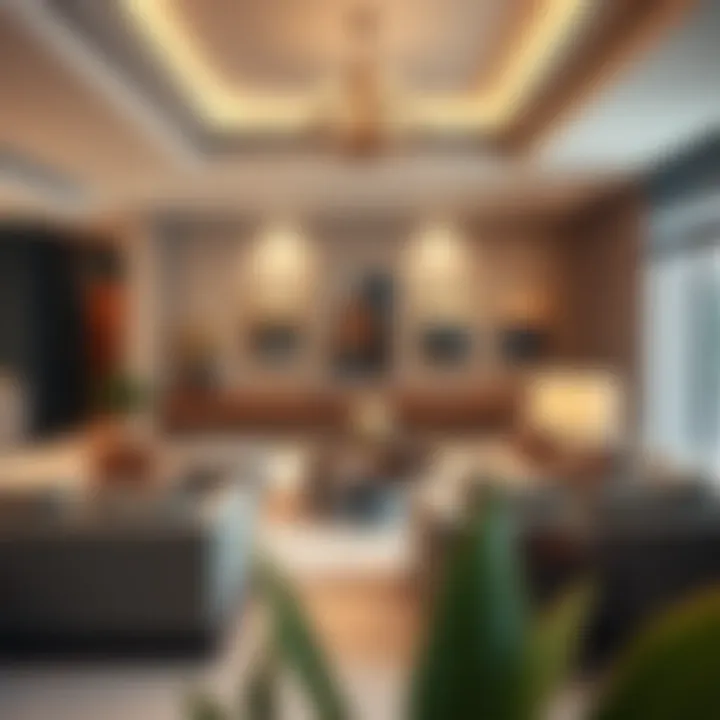
In Dubai, family rooms tend to be more spacious than in many other cities around the world. Typically, these rooms range from 300 to 600 square feet, depending on the type of residence. High-end developments often boast even larger dimensions, accommodating oversized furniture and the need for open layouts that promote connectivity among family members. Furthermore, room height should not be overlooked; ceilings reaching up to ten feet or more dramatically enhance the feeling of spaciousness.
Real estate developers usually consider these dimensions because buyers look for rooms that foster a sense of comfort while allowing for versatility in usage. For instance, larger dimensions allow families to entertain guests or arrange leisure activities without the constant feeling of overcrowding.
Functional Aspects of Family Spaces
Family rooms are not just about their size; their functionality is pivotal to how families interact within their homes. Let’s break this down into three essential aspects:
Entertainment Areas
Entertainment areas within family rooms are designed to focus on leisure and relaxation. These spaces often integrate large screen televisions, sound systems, and cozy seating arrangements, making them hubs for movie nights or gaming sessions. One key characteristic of entertainment areas is their adjustable design, allowing homeowners to tailor setups for different activities, from hosting a movie marathon to enjoying a casual evening with friends.
The integration of technology also plays a vital role. Many homeowners opt for built-in sound systems or smart screens that merge entertainment with aesthetic appeal. However, this can lead to clutter if not designed thoughtfully, meaning balance is essential.
Gathering Spaces
Gathering spaces are where families come together to bond, discuss their days, or enjoy meals. These sections foster communication and connection, often centered around a large table or comfy seating that invites conversation. The core characteristic is their welcoming atmosphere—these are the spots where laughter is shared, and memories are made.
However, they require consideration in terms of layout and access. While an open design is popular, privacy for family discussions can be compromised. Ultimately, gathering spaces should be cozy yet adaptable to varying numbers of guests, ensuring functionality without sacrificing comfort.
Minimalist Designs
Minimalism resonates strongly with modern family rooms, emphasizing functional elements that reduce clutter and enhance peace within the home. One unique feature of minimalist designs is their focus on essential items—fewer but high-quality pieces. This approach creates visual clarity, fostering a serene environment.
These designs prioritize open spaces and natural light, which can immensely improve a family's quality of life. A potential downside is that they can sometimes feel stark or impersonal if not balanced with warmth, such as textures or colors that reflect personal style.
A well-designed family room in Dubai serves not just as a living area but as a reflection of the family's lifestyle, values, and aspirations.
Innovative Trends in Family Room Design
In the ever-evolving real estate landscape of Dubai, family rooms have taken center stage as not just a part of the home but as a reflection of contemporary lifestyles and values. Today’s family room designs are not just about aesthetics; they embody functionality, sustainability, and technological integration. This section unveils two significant trends driving family room innovation in Dubai: the use of eco-friendly materials and technologies, and the integration of smart home features. Understanding these trends is essential for investors and homeowners looking to stay ahead in the market.
Eco-Friendly Materials and Technologies
As the call for environmental responsibility grows louder, the real estate sector has responded in spades, particularly in Dubai. Eco-friendly materials are becoming increasingly popular in the design of family rooms. Homebuilders and renovators are turning to sustainable resources that minimize environmental impact while enhancing the comfort of living spaces.
Materials such as bamboo, cork, and recycled steel often stand out. Bamboo, for instance, offers strength and a rapid growth cycle that makes it an appealing choice for flooring and furniture. Not only is it durable, but it also adds a warm, natural touch to the interior. On the other hand, recycled steel can be foundational and structural without compromising design flexibility.
Technologies also play a pivotal role. Innovations like energy-efficient insulation and low-VOC (volatile organic compounds) paints are transforming the interior of family rooms, contributing to healthier indoor air quality.
Benefits of this trend include:
- Reduction in carbon footprint: Using sustainable resources lessens the environmental impact.
- Healthier living environment: Low-VOC materials protect the well-being of residents.
- Potential cost savings: Energy-efficient technologies can lower utility bills in the long run.
An increasing number of developers are focusing on green certifications. This is a strong selling point, especially for buyers who prioritize sustainability. Consider potential buyers' preferences as you explore properties. An eco-friendly family room often provides a competitive edge when it comes to property values.
Smart Home Integration
Smart home technology has quickly shifted from a luxury to a necessity, especially among tech-savvy families. Family rooms are no longer just spaces for relaxation but are becoming interactive hubs integrated with the latest technology.
More homeowners in Dubai are incorporating smart features to enhance comfort, convenience, and security. Technologies like automated lighting, climate control, and integrated sound systems offer a tailored experience. With a quick voice command or tap on a smartphone, families can set the mood in the room, whether it’s for a cozy family movie night or hosting friends.
A critical aspect of smart integration is security. Features such as video doorbells, smart locks, and surveillance cameras are reassuring for families, ensuring peace of mind while keeping an eye on the house even while away. Moreover, the ease of managing these systems remotely makes life simpler.
Considerations for implementing smart home technology:
- Compatibility: Ensure the devices work well together to create a seamless experience.
- Scalability: Choose systems that allow for future upgrades and expansions.
- User-friendliness: Opt for interfaces that are easy to navigate for all family members, regardless of tech-savviness.
Ultimately, integrating smart technology into a family room not only enhances daily life but also raises the property’s market value. As the trend continues to gain momentum in Dubai, investors and homeowners need to keep technology advancements at the forefront of their property considerations.
"Innovative trends in family room design are not just about keeping up with the Joneses, but about creating spaces that resonate with family values and future living."


Real Estate Market Implications
Understanding the real estate market implications of spacious family rooms in Dubai isn’t just about square footage; it involves unpacking layers of societal trends, family dynamics, and the evolving concept of home. As family units increasingly center on quality living, spacious family rooms have surged in demand, compelling developers and homebuyers alike to rethink space utilization.
Demand for Spacious Family Rooms
The appetite for spacious family rooms in Dubai reflects a broader cultural shift where open, inviting spaces have become synonymous with a modern lifestyle. Families, whether local or expatriate, are searching for homes that can accommodate various activities. From hosting gatherings to creating areas for children to play and learn, the family room serves as the hub of domestic life.
- Flexible Space: Homebuyers seek spaces that offer flexibility, whether for entertainment, work-from-home setups, or quiet corners to unwind. The trend of multi-functional design is gaining ground, with family rooms often blending seamlessly into dining or living areas.
- Increased Preferences: A survey conducted among prospective homeowners in Dubai revealed that 75% are willing to pay a premium for larger family spaces. This has positioned developers to respond with projects featuring expansive family rooms.
Investors should note the strong correlation between the size of family rooms and buyer sentiment, particularly in neighborhoods like Downtown Dubai and the more spacious suburban areas. Having a well-sized family room can often be the bait that hooks potential buyers. It’s not just about aesthetics; it is a clear signal of thoughtful design that caters to evolving family needs.
Impact on Property Values
The financial ramifications of spacious family rooms cannot be overlooked. Properties offering ample family spaces are setting benchmarks for property values in Dubai. Buyers and investors have shown a heightened willingness to invest significantly more for units that boast these features.
- Market Premium: An analysis from Core Savills shows that properties with large family rooms command pricing that is, on average, 15% higher than those without. This premium is driven by lifestyle expectations in a market where families are prioritizing comfort and style in daily living.
- Long-Term Investment: For real estate investors, aligning with the demand for spacious family rooms represents a long-term strategy. As more families move to Dubai, the desire for larger communal spaces is expected to persist, supporting ongoing value appreciation.
Ultimately, the implications for the real estate market are profound. Family rooms are shaping the demands of modern living, influencing both buyer decisions and property values. Developers who recognize this trend and adapt their designs accordingly stand to benefit while contributing positively to the living landscape of Dubai.
"The family room is not just a place; it’s an experience. It shapes how we connect, unwind, and grow as family units."
For further insights on real estate trends and family living, visit Savills or Bayut to get a glimpse of market fluctuations.
Family Rooms and Neighborhood Dynamics
Family rooms play a pivotal role in shaping the dynamics of neighborhoods in Dubai. As families grow, so do their needs for suitable living spaces. This section explores how family rooms influence, and are influenced by, various neighborhoods across the city, touching on several underlying factors.
Comparing Family Room Spaces in Different Areas
Downtown Dubai
Downtown Dubai is often seen as the crown jewel of urban living, boasting iconic structures such as the Burj Khalifa and the sprawling Dubai Mall. One of the standout aspects of family rooms in this area is their focus on opulence and sophistication. Many developments here feature expansive family rooms with modern designs, offering breathtaking views of the city skyline. This zoning in family room layouts allows families to enjoy both leisure and functional aspects comfortably.
Key characteristics of Downtown Dubai include its cosmopolitan atmosphere and proximity to cultural landmarks, making it a magnet for those who seek vibrant city living. A unique feature is the architectural fusion of contemporary aesthetics with traditional Arabic tropes, which enhances decor appeal while catering to diverse family units. However, there's a notable trade-off—higher property prices often put stress on budgets for many families.
Suburban Areas
In contrast, suburban areas like Arabian Ranches, Jumeirah Village Circle, and Al Barsha prioritize space and community. Family rooms here are typically more generous than those in urban centers. The landscaping is lush, and homes often come with larger backyards, ideal for children and gatherings. Such properties encourage a greater sense of community where children can play safely and families can work on developing lasting relationships with their neighbors.
The key characteristic of suburban living is its quieter environment, making it ideal for families wanting to escape the urban hustle. However, commuting could be a downside for some, particularly if work or schools are located in more urban areas, this can create logistical challenges for daily routines.
Luxury Developments
Luxury developments, such as those found in areas like Palm Jumeirah and Emirates Hills, take family room design to a whole new level. These spaces often incorporate state-of-the-art facilities, and grand aesthetics where comfort meets luxury seamlessly. Large family rooms here may include features like home theaters, expansive entertainment areas, or even wine cellars, ensuring every need of a modern family is catered to.
These luxury homes often offer unique features, such as infinity pools or private gardens, which further embellish family living. Moreover, the exclusivity of many of these developments fosters an elite community spirit, where residents can enjoy common amenities that blend leisure with socializing opportunities. But, of course, the hefty price tag often associated with such properties may limit their availability to only the affluent, creating a significant divide in housing accessibility.
"The design of family spaces plays not just a role in comfort but also in community building and lifestyle, which is vital for family cohesion in a diverse landscape like Dubai."
Creating Community through Shared Spaces
Family rooms extend their importance beyond the walls of homes; they are integral to fostering community spirit. By designing family areas that promote shared experiences, neighborhoods become places of togetherness, benefitting not only the families within them but the larger community at large.
Case Studies of Notable Family Rooms
In the bustling real estate market of Dubai, family rooms play a pivotal role in the functionality and appeal of homes. By analyzing specific case studies, investors, homeowners, and renters can glean valuable insights into what makes a family room not just a space, but an experience tailored for modern living. Each case study showcases unique design elements and considerations that align with cultural contexts, lifestyle preferences, and market demand. Through these examples, we can see how innovative features enhance livability while respecting the nuances of family dynamics in Dubai.
Innovative Developments with Exceptional Family Rooms
Several developments in Dubai have distinguished themselves with family rooms that blend innovation with comfort. For instance, the Dubai Creek Harbour project boasts family rooms that emphasize open spaces, allowing natural light to flow freely. These rooms often integrate smart home technology, enabling families to control lighting, temperature, and even entertainment systems with a click of a button.


Another notable example is Emaar's Arabian Ranches III, which includes family rooms designed with a seamless flow to outdoor spaces. This connection encourages a lifestyle that embraces the pleasant weather, creating an environment for gatherings and family activities. Features such as modular furniture allow families to adapt their space according to the occasion, making the family room a versatile asset for everyday living.
"A family room should be a canvas that adapts to the ever-changing needs of its inhabitants."
Historical Context of Family Spaces in Dubai Homes
To fully appreciate the evolution of family rooms in Dubai's real estate landscape, it’s essential to consider the historical context. Traditionally, family spaces in Emirati homes were designed with communal living in mind. Large, airy rooms facilitated gatherings, showcasing the importance of family cohesion in Arab culture. Classic homes often featured distinct majlis areas where families would entertain guests, a practice rooted in hospitality.
With the onset of modernity, the introduction of contemporary architectural practices reshaped these traditional concepts. Today's family rooms in Dubai are rooted in luxury and functionality, often reflecting a fusion of Western styles and Arab traditions. For example, the use of high ceilings and open-plan layouts can be traced back to influences seen in Western residential designs, yet they incorporate traditional elements such as decorative arches and rich textiles that honor local heritage.
By revisiting these historical foundations, current homeowners and investors can better grasp how family rooms have transformed. It’s not merely about aesthetics or property value anymore; it’s about creating spaces that resonate with the cultural essence of Dubai while catering to its contemporary lifestyle.
Tips for Homebuyers and Investors
Investing in a home where family rooms are a focal point requires first understanding their significance in the overall real estate landscape of Dubai. A well-designed family room not only enhances the aesthetic appeal of a home but also contributes to the functionality that a modern family desires. For many potential homebuyers and investors, recognizing the nuances of family room design and its implications in property value becomes vital in making informed decisions.
Evaluating Family Room Potential
Consideration begins with evaluating how these spaces align with family dynamics and lifestyles. Reviewing layout options, connectivity to other areas of the home, and the incorporation of features like natural light can steer buyers toward the right choice.
- Choosing Spacious Designs: Open-plan family rooms are highly sought after, allowing for ease of movement and a communal feel. This design choice makes entertaining guests simpler.
- Functionality Matters: Beyond just size, family investors should consider how the room will be used. For instance, having dedicated zones for lounging or activities can maximize usability.
- Aesthetic Appeal: Families often look for a space that reflects their lifestyle. Choosing rooms with neutral colors or ample opportunity for personalization can cater to varied tastes.
Understanding Family Needs in Property Selection
When selecting a property, it’s crucial to assess family needs clearly. A concept going beyond mere aesthetics involves understanding how a family functions daily, which can help greatly when evaluating real estate options.
Future Proofing Investments
Looking ahead is essential in real estate. Future proofing involves selecting designs that adapt to changing family needs over time. This could mean overlooked features like:
- Flexible Spaces: Designs that allow for easy division or merging of spaces, accommodating future family growth or changes.
- Timeless Features: Adding enduring design elements that resist trends ensures lasting appeal.
The unique feature about future proofing is its preventative nature, often making it a valuable choice for families aiming to ensure their home remains relevant and functional throughout various life stages. Factors like durability and timeless appeal keep the investment safe over the years, and its significant advantage is minimizing future renovation costs.
Appreciation Potential
Understanding appreciation potential integrates knowledge about expected market trends and property value influencers. Appreciation can be influenced by:
- Location Factors: Properties nearer to community amenities often appreciate faster. For example, homes in areas like Downtown Dubai, close to parks and entertainment, tend to have higher appreciation rates.
- Design Trends: Properties with family-centric designs or green features often see better growth as more buyers demand these elements.
An appreciation potential is compelling for those looking for solid investment returns. Though it may carry risks, focusing on neighborhoods with growing infrastructure and community designs can lead to significantly increased property values.
"Investing in a family space is more than a choice; it reflects a lifestyle and future aspirations."
For additional resources, visit Wikipedia, Britannica, or consult local real estate platforms that focus on family-oriented properties.
Future Trends for Family Rooms in Dubai
As the real estate landscape in Dubai continues to evolve rapidly, the concept of family rooms remains at the core of discussions surrounding modern living. The importance of understanding future trends for family rooms cannot be overstated. Such knowledge not only aids potential homebuyers but also investors looking to make sound, forward-thinking decisions.
Emerging trends are shaping these spaces in ways that prioritize both functionality and aesthetics, providing an enhanced living experience for families. With cultural influences, urbanization, and technological advancements converging, the landscape for family rooms is set for significant transformation.
Anticipated Changes in Home Design
In recent years, designs for family rooms have taken a noticeable shift. The old norms that often emphasized larger, less functional spaces are giving way to more purpose-driven layouts. Architects and designers are now favoring open floor plans that integrate seamlessly with kitchens and dining areas, making social interactions smoother. This reflects a growing preference for flexible spaces that can be adapted to various social settings or family activities.
Moreover, there is an increasing emphasis on multifunctionality. Many homes will feature areas within the family room that can serve dual purposes, whether as a home office, entertainment center, or a play area for children. This shift addresses the need for versatility in smaller living spaces where maximized utility is essential.
A growing popular feature is the expanded incorporation of indoor-outdoor living. Home designs will likely see more large, glass doors or bi-fold windows that connect family rooms to outdoor patios or gardens, allowing natural light to flood into living spaces and creating a more expansive feeling that benefits mental well-being.
Another anticipated change is the use of eco-friendly materials. As awareness of environmental issues increases, families are seeking family rooms that not only look good but also contribute positively to sustainability. In practice, this means using recycled materials, low-VOC paints, and energy-efficient fixtures that align with the environmentally-conscious mindset prevalent in Dubai.
Evolving Cultural Expectations
As Dubai is a melting pot of cultures and lifestyles, the evolution of family rooms is also driven by the shifting cultural expectations of its residents. Families are increasingly seeking spaces that not only accommodate their practical needs but also reflect their identity and values.
For example, with the rise in expatriate communities, there's a growing demand for family rooms that embrace openness, integrating cultural decorations and family heirlooms. This gives spaces personal touches that resonate with the inhabitants’ backgrounds. Moreover, the blending of traditional Middle Eastern motifs with modern design elements is becoming more commonplace, thereby creating environments that honor heritage without sacrificing contemporary style.
Within these family rooms, technology integration will also expand. Home automation systems can now control lighting, temperature, and entertainment systems, allowing families to customize their environments more conveniently. Such innovations do not just offer comfort; they reflect a lifestyle geared toward efficiency and ease of living.