Discovering Iconic Monuments of the UAE
Intro
The United Arab Emirates, often referred to as the UAE, is a nation that masterfully balances tradition with modernity. When one thinks of the UAE, the mind might jump to the towering Burj Khalifa in Dubai or the majestic Sheikh Zayed Grand Mosque in Abu Dhabi. These monumental structures are not merely architectural wonders; they represent the soul of a nation that has transformed from its humble beginnings into a global hub of innovation and culture.
In this exploration, we will dive into the significance of these landmarks, their architectural marvels, and their cultural contexts. Each monument tells a story of the UAE's rich past, vibrant present, and ambitious future. Whether you're an investor curious about the real estate dynamics surrounding these structures or a traveler wanting to immerse yourself in local heritage, this article seeks to provide a thorough understanding of the iconic attractions that define the UAE's skyline and spirit.
Prologue to UAE Monuments
The United Arab Emirates, a land of contrasts, showcases a rich tapestry of history interwoven with modernity. The monuments standing tall across this vibrant nation are more than just concrete structures. They are echoes of the past and symbols of aspirations and achievements. Understanding these monuments is crucial for grasping the cultural and historical essence of the UAE.
Monuments like the Burj Khalifa and Sheikh Zayed Grand Mosque represent not only architectural wonders; they hold stories of the people and the land. They reflect the nation’s journey from its modest beginnings to its current position on the world stage.
Significance of Monuments
Each monument serves a unique purpose, from attracting tourists to fostering a sense of community and national pride. They provide visitors and residents alike a chance to connect with the UAE's profound heritage. As emblems of progress, these structures are crucial for investors looking to tap into the vibrancy and growth of this dynamic region.
Moreover, understanding these key landmarks can offer vital insights for realtors and homebuyers, as neighborhoods often stem from the cultural and historical context provided by local monuments. In essence, these structures inform the identity of the communities that have sprouted around them.
Benefits of Exploring UAE's Monuments
Engaging with these monuments goes beyond mere sightseeing. It includes understanding:
- Cultural Heritage: Each monument offers a glimpse into the traditions and values of the Emirati people.
- Economic Boost: Tourism tied to monuments leads to business opportunities and developments, making this exploration integral for potential investors.
- Community Engagement: Many monuments host events that encourage local participation, further adding to the social fabric of the UAE.
Being knowledgeable about these iconic structures not only enriches one’s understanding but also enhances the living experience in the UAE. Awareness of the monuments can turn a simple visit into a profound exploration of culture, identity, and economic opportunities, therefore making it significant for both residents and the discerning travelers.
The Burj Khalifa: A Symbol of Modernity
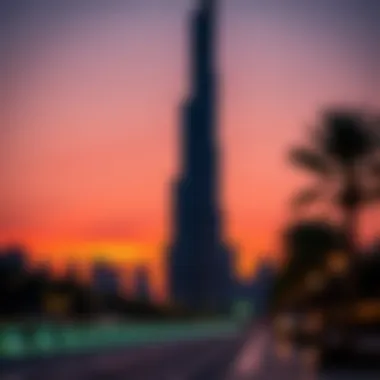
The Burj Khalifa stands tall as more than just a building; it embodies the spirit of contemporary achievement and aspiration that defines the UAE. Soaring to 828 meters, it is currently the tallest structure in the world, a feat that not only symbolizes architectural ingenuity but also highlights the UAE's rapid urban development and ambition on the global stage. Its distinctive silhouette has become a hallmark of Dubai, attracting tourists and investors, making it a key player in the city's image and economy.
Architectural Marvel
The architectural design of the Burj Khalifa is a marvel and a testament to innovative thinking. Designed by the renowned architectural firm Skidmore, Owings & Merrill, the building features a unique triple-lobed footprint that is inspired by the desert flower Hymenocallis.
This intricate design isn't just about aesthetics; it serves practical purposes, too. The shape of the building helps reduce wind loads, making it stable and safe amidst the often-blustery conditions of the UAE. The façade consists of reflective glazing, which not only contributes to its shimmering appearance but also provides efficient temperature control, a crucial factor in the hot Arabian climate.
The construction methods utilized were groundbreaking. Almost 103,000 square meters of glass were used, with special attention to quality and durability. Moreover, the reinforced concrete core stands as one of the largest in the world. The overall result is a highly functional and visually striking structure that stands proudly against the skyline of Dubai.
Cultural Significance
Beyond its physical grandeur, the Burj Khalifa holds rich cultural significance for the people of the UAE. It serves as a focal point for events and celebrations, including the world-famous New Year's Eve fireworks display, which draws thousands of onlookers each year. This spectacle emphasizes the tower not only as a tourist destination but also a unifying symbol for residents.
Economically, the Burj Khalifa has transformed the surrounding area into a bustling hub for tourism and commerce. The vicinity has seen the rise of luxury hotels, high-end retail outlets, and fine dining establishments. Additionally, the building houses several offices and private residences, blending commercial and residential spaces seamlessly. Its iconic status attracts visitors from around the world, making it a critical aspect of Dubai's identity.
"The Burj Khalifa is not just an architectural feat; it’s a testament to what the future holds for urban landscapes."
Investors and homeowners looking to establish a presence in Dubai would find the vicinity of the Burj Khalifa appealing due to its reputation and accessibility. Its presence continues to lure businesses and suggests that the area has strong growth potential in retail and hospitality sectors. The Burj Khalifa is more than just a building; it is a reflection of the bold vision and innovative spirit that drive the UAE forward.
For more about the Burj Khalifa, you can visit Wikipedia or check out Britannica.
Sheikh Zayed Grand Mosque: A Testament to Tradition
The Sheikh Zayed Grand Mosque stands tall as a beacon of culture and spirituality in the United Arab Emirates. As a key monument in this article, it encapsulates the profound essence of the UAE’s heritage, merging modern architectural techniques with Islamic traditions. This mosque is not just a place of worship; it is a significant architectural feat that resonates with the values of tolerance and unity that the UAE cherishes. The mosque is an inviting space for people from diverse backgrounds to appreciate Islamic art and architecture.
Design and Structure
The design of the Sheikh Zayed Grand Mosque is nothing short of spectacular. It features a harmonious blend of various architectural styles, notably Mamluk, Ottoman, and Fatimid designs. The mosque covers an area of over 30 acres, making it the largest mosque in the UAE and one of the largest in the world.
Some key features of the mosque include:
- White marble domes: Its striking white domes shine under the sun, creating a magical visual. The 82 domes vary in size, with the central dome measuring an impressive 32.8 meters in height.
- Luxurious prayer hall: The main prayer hall is adorned with one of the world’s largest hand-knotted carpets, crafted by artisans in Iran. This intricate carpet is a masterpiece in itself.
- Exquisitely designed minarets: The four minarets reach heights of 107 meters, showcasing a delicate floral pattern that wraps around its surface. This attention to detail reflects the artistry that went into the mosque's construction.
Furthermore, the mosque's vast courtyards are graced with reflective pools, enhancing the beauty of the architecture and encouraging contemplation.
Spiritual Importance
The Sheikh Zayed Grand Mosque holds great spiritual significance, serving as a center for worship and reflection for the local Muslim community. Beyond its religious function, the mosque stands as a symbol of peace and coexistence. It was named after the late Sheikh Zayed bin Sultan Al Nahyan, the founder of the UAE, whose vision for a tolerant society is echoed in the mosque's essence.
Visiting the mosque is not merely a sightseeing trip; it is an immersive experience. Tours are frequently organized for both locals and tourists to learn about Islamic values.
"The mosque marries tradition with modernity, creating a unique space for dialogue and understanding across cultures."
Many events catered to interfaith dialogue and community engagement take place here, emphasizing the mosque’s role in promoting mutual respect among different cultures. The grand mosque also hosts various cultural events, particularly during Ramadan, when many flock to its doors to witness special prayers and activities.
The Louvre Abu Dhabi: Bridging Cultures
The Louvre Abu Dhabi represents a significant achievement in the cultural landscape not only of the UAE but also on a global scale. Being the first universal museum in the Arab world, it serves as a vital connection between Eastern and Western civilizations, a place where art and history come together to tell a shared story. This museum is the brainchild of a partnership between France and the UAE, aiming to foster a deeper understanding and appreciation of historical and contemporary cultures through art.
Exhibition and Architecture
The architecture of the Louvre Abu Dhabi is as compelling as the works of art it houses. Designed by the Pritzker Prize-winning architect Jean Nouvel, the building features a striking dome that appears to float above the gallery spaces. The dome's intricate geometric design allows sunlight to filter through, creating a play of light and shadows reminiscent of the Islamic architectural tradition. This design is not merely aesthetic; it symbolizes a dialogue between cultures, blending modernity with traditional elements.
Walking through the museum, visitors encounter a series of interconnected galleries, each exhibiting varied collections from prehistory to the present. From ancient artifacts to contemporary pieces, the selections reveal the diverse stories that shape our world. This unique exhibition model demonstrates how different civilizations have influenced one another over centuries.
"Art is a universal language that can foster mutual understanding and respect between different cultures."
Cultural Impact
The cultural impact of the Louvre Abu Dhabi extends beyond its physical boundary. It has become a beacon for cultural tourism, attracting millions of visitors from around the globe. This influx not only stimulates the local economy but also enhances the region's international profile as a cultural hub.


Moreover, the museum plays a crucial role in promoting dialogue among cultures, encouraging visitors to reflect on their own identities. It offers programs and educational opportunities that foster appreciation for diverse artistic expressions and histories. Events like exhibitions, workshops, and lectures create platforms where art and culture can be discussed and explored in a deeper context.
In essence, the Louvre Abu Dhabi stands as a testament to the power of art in bridging divides and fostering connections. It invites both residents and visitors to appreciate the myriad influences that shape our societies, ultimately weaving a richer understanding of our shared human experience.
Dubai Frame: Capturing the Past and Present
The Dubai Frame serves as an illustrious symbol of contrast, brilliantly juxtaposing the rich tapestry of the past with the skyline of the present. As visitors approach this architectural wonder, they immediately feel the emotional weight of history against the backdrop of rapid modernity. Towering at a height of 150 meters, it not only showcases stunning views of the old and new Dubai but also makes a profound statement regarding the city’s persistent march toward the future while acknowledging its roots.
The importance of the Dubai Frame within the context of UAE's monuments is unmistakable. This structure acts as a storytelling device, preserving the essence of Dubai’s evolution from a humble fishing village to a global metropolis. It draws attention to both the ambitions of its leaders and the cultural nuances that underpin this unique society, making it an essential stop for anyone keen on understanding the Emirati identity.
Technical Aspects
The design of the Dubai Frame taps into architectural innovation seamlessly blended with functional beauty. Conceived by the renowned architect Fernando Donis, the frame is designed to resemble a large rectangular shape, framed by a golden outline that glints in the sunlight. This captivating structure is composed of steel, glass, and reinforced concrete, offering impressive durability and energy efficiency. Visitors ascend to the viewing deck via a high-speed elevator, where they are immediately greeted by 360-degree views.
The glass floor takes the experience a step further, creating an exhilarating sensation as one gazes down at the ground below. The technology embedded in this structure also deserves mention; the use of high-quality reflective glass not only enhances the aesthetic appeal but also minimizes energy consumption, making the Dubai Frame a paragon of sustainability.
"The Dubai Frame serves as a mirror reflecting the past while framing the future of this incredible city."
Visitor Experience
Visiting the Dubai Frame is a journey for the senses. Upon entering, guests are welcomed by a vibrant exhibition area that highlights the city's heritage, showcasing artifacts and stories that bring the past to life. For instance, interactive displays offer an insight into Dubai's transformation, engaging visitors in the narrative of its development.
Once past the exhibitions, the elevator ride ascends in a matter of seconds, a thrilling prelude to the panoramic views awaiting at the top. Here, visitors can behold the Dubai skyline, with icons like the Burj Khalifa and the Palm Jumeirah standing out against the horizon.
On the other side, the contrast with older neighborhoods such as Deira and Al Fahidi creates a vivid picture of the city’s diverse history. Whether viewed during the golden hour or as the city lights twinkle to life after sunset, the scenery is nothing short of breathtaking.
To round off the experience, the cafe at the base provides a perfect opportunity to reflect on the visit while enjoying a bite, allowing for moments of contemplation on how the old and new coexist intrinsically in Dubai.
In summary, the Dubai Frame encapsulates the very essence of what it means to occupy a space marked by both historical richness and progressive advancement. It stands not just as a monument, but as a cultural narrative visible through an architectural lens.
Al Ain Oasis: Nature Meets Heritage
Al Ain Oasis stands as a remarkable fusion of history and nature. Nestled within the city of Al Ain, a part of the Emirate of Abu Dhabi, it is a notable monument that speaks volumes about the UAE's dedication to preserving its cultural heritage while harmonizing with its natural surroundings. This oasis is not just a lush haven in a desert landscape but also a UNESCO World Heritage site that highlights the traditional falaj irrigation system, showcasing how human ingenuity and nature can work hand in hand.
The importance of Al Ain Oasis in this article is multi-faceted. It represents a critical chapter in the Emirate's story, revealing how ancient societies harnessed their environment sustainably. The oasis serves as a living museum that draws visitors not only for its spectacular palm groves but also for its rich historical tapestry.
Historical Context
Al Ain Oasis is steeped in history, dating back over 3,000 years. It has been a vital water source for generations, shaping the way life and society developed in this arid region. The falaj system, which consists of underground channels that transport fresh water across the oasis, reflects the ingenuity of past civilizations.
Such water management methods were crucial for agriculture and settlement, establishing Al Ain as a key site for trade and cultural exchange in the region. Visitors strolling through the oasis may encounter ancient wells and examples of traditional irrigation, providing a tangible connection to the past.
"A journey through Al Ain Oasis feels like a walk through time, where every palm tree whispers stories of resilience and survival amidst the harsh desert."
Today, the oasis still supports local agriculture, with over 147,000 date palms thriving among its pathways.
Sustainability and Preservation
The commitment to sustainability at Al Ain Oasis is commendable. With rapid urbanization encroaching on natural habitats, preserving the oasis is crucial. Efforts have been made to maintain the traditional irrigation techniques, ensuring that the water is utilized efficiently, fostering biodiversity, and keeping the oasis flourishing.
In recent years, the integration of sustainable practices, like using solar panels for irrigation systems, has illustrated a forward-thinking approach to heritage conservation. Furthermore, initiatives that educate residents and visitors about the ecological and cultural importance of the oasis play an essential role in its preservation.
To encapsulate, Al Ain Oasis serves as a striking reminder of how the past and present can coexist. By safeguarding its history and promoting sustainable practices, it embodies the UAE's ambition to celebrate its legacy while paving the way for future generations.
For further information on Al Ain Oasis, visit the UNESCO World Heritage Centre or check out the Al Ain Oasis website for visitor details.
Qasr Al Watan: The Presidential Palace
Qasr Al Watan, located in Abu Dhabi, stands as a striking illustration of the UAE’s rich cultural heritage and its commitment to combining tradition with modernity. Serving as the Presidential Palace, this grand structure is not only steeped in history but also symbolizes the nation’s governance and aspirations. Visitors are often astonished by its sheer beauty, which encompasses both architectural brilliance and significant political importance. Delving into Qasr Al Watan sheds light on the values and identity of the UAE, providing a layered understanding of its role within both local and international contexts.
Architectural Features
The architectural design of Qasr Al Watan is a harmonious blend of contemporary and traditional elements, representing the ethos of the UAE. The building features magnificent domes, intricate Islamic geometric patterns, and beautiful mosaic tiles that evoke the artistry found in traditional Arab architecture. The palace's main dome is one of the largest in the world, soaring to a height of 37 meters, effortlessly capturing attention with its stunning white outer façade.
Key features include:
- Calligraphy and artistry: The palace showcases stunning calligraphic inscriptions that depict verses from the Quran, merging art with spirituality.
- Natural materials: Local limestone and marble are prominently used, integrating the natural landscape of the UAE within the palace's design.
- Sustainable technology: To reflect modern innovation, Qasr Al Watan incorporates advanced energy-efficient systems, which tie into the UAE’s vision for sustainable living.
This architectural marvel not only serves practical purposes but also stands as a canvas that narrates the cultural stories of the Emirati people, inviting appreciation from locals and tourists alike.
Role in Governance
Qasr Al Watan serves a significant function in the UAE’s political landscape, embodying the country’s governance and policy-making processes. It is an essential venue for official meetings and state receptions, while also hosting numerous diplomatic events that engage leaders from around the world. The property is a beacon of unity and strength, where decisions affecting the Emirate of Abu Dhabi and the broader UAE are deliberated.
Important roles include:
- Civic engagement: The palace is not just a political hub; it fosters dialogue between local communities and their leaders, highlighting the government’s commitment to transparency and inclusivity.
- Cultural representation: Qasr Al Watan also plays a vital role in promoting Emirati culture through various exhibitions and educational initiatives, serving as a bridge that connects the public to their heritage and governance.
- Symbol of identity: Beyond its practical functions, it stands as a symbol of the nation’s aspirations and rich tapestry of traditions, reflecting the UAE's identity both regionally and globally.
Hatta Heritage Village: A Glimpse into the Past
Hatta Heritage Village stands as a vibrant reminder of the UAE's rich tradition and history. Nestled in the Hajar Mountains, this cultural site draws visitors not just for its picturesque location but for its genuine representation of the region's past. As we delve into its significance, it becomes clear that Hatta Heritage Village is more than just a tourist attraction; it is a beacon of the UAE's heritage, showcasing how far the nation has come while maintaining its roots.
Cultural Significance
Hatta Heritage Village is crucial for both locals and visitors seeking a deeper understanding of Emirati culture. The village captures the essence of daily life in historical UAE through its reconstruction of traditional buildings, some of which are made from mud and stone, reflecting the architectural styles of the time. Walking through the narrow paths lined with homes, visitors can imagine the life of earlier generations, who used these structures for shelter and community gatherings.
The importance of this village extends beyond aesthetics. It fosters awareness and appreciation for the cultural diversity and history that shapes modern Emirati identity. Festivals and events often take place here, deeply rooted in tradition, allowing guests to experience authentic Emirati hospitality and craftsmanship.
Hatta Heritage Village therefore contributes significantly to cultural education, bridging the past and present. It gives voice to stories that deserve to be told, fostering a sense of pride among UAE nationals and increasing understanding among expatriates and tourists.
Tourist Attractions
The village isn't just about education; it's an integral part of Hatta's tourism landscape. Numerous attractions lie within its boundaries, enticing travelers with various interests:
- Traditional Exhibitions: Artifacts, tools, and clothing from bygone eras are on display, making for fascinating insights into the ancient Emirati lifestyle.
- Craft Demonstrations: Skilled artisans showcase traditional crafts such as pottery-making, weaving, and metalwork, providing hands-on experiences that leave lasting memories.
- Guided Tours: Visitors can opt for guided tours where knowledgeable guides share stories and history, further enriching the experience.
- Local Cuisine: Food stalls offer traditional dishes, giving travelers a taste of authentic Emirati flavors, best enjoyed while gazing at the scenic surroundings.
In summary, Hatta Heritage Village not only plays a vital role in preserving the cultural milieu of the UAE but also stands as a unique tourist destination. It beckons individuals from all walks of life to step back in time and appreciate the heritage that has shaped modern-day society.
"Hatta Heritage Village is where history whispers stories of the past into the ears of the present, making it a cornerstone of cultural exploration in the UAE."
Fujairah Fort: A Historical Landmark
Fujairah Fort stands as an enduring symbol of the UAE's rich history and strategic importance. Perched atop a hill, this fortress is not only the largest of its kind in the emirate but also a key player in the defense of its territory throughout the centuries. Known locally as Al Bithnah Fort, its majestic view offers a glimpse into both the natural beauty of Fujairah and the deep roots of its cultural legacy.
Historical Relevance
Built in the 16th century, Fujairah Fort served as a fortress for the local inhabitants during times of conflict and unrest. The fort's design showcases traditional Arabic architectural elements, including thick walls made from coral stone and mud. This construction not only fibdently represents the building methods of the time but also emphasizes the fort's functionality, allowing it to withstand the harsh desert climate and potential assaults.
The fort has seen various phases of restoration and remains a significant attraction, drawing historians and tourists alike. The strategic location provided by the fort offers vital insights into the region's defensive tactics and interactions with neighboring communities. Its walls have witnessed the tales of trade, conflicts, and the daily lives of the people living nearby, making it a living museum of history and culture. Fujairah Fort is a bridge between the past and present, encapsulating stories that will resonate with visitors seeking to understand the UAE’s journey.
Conservation Efforts
Efforts to preserve Fujairah Fort are reflective of the broader commitment to safeguarding the UAE's heritage. The fort underwent significant restoration in the early 2000s, supported by the country’s dedication to maintaining its cultural landmarks. The aim has been to retain its historical authenticity while making it accessible for educational and tourism purposes.
Regular maintenance checks are conducted, focusing not only on the structural integrity but also on incorporating modern conservation technologies. Initiatives include using traditional materials in repair works and engaging with local craftsmen who bring an invaluable understanding of traditional construction techniques.
This blend of old and new assures that Fujairah Fort remains a vital piece of history, enabling future generations to engage with the UAE's past in meaningful ways. With an eye towards sustainable tourism, the management has implemented programs that promote environmental stewardship while educating visitors about the significance of the fort and its surroundings.
"Fujairah Fort isn't just a pile of stones; it's a story waiting to be explored!"
The Al-Bidyah Mosque: The Oldest Mosque in the UAE
The Al-Bidyah Mosque holds a unique place in the history of the United Arab Emirates, serving as a significant architectural and cultural landmark. Constructed in the 18th century, it is not just the oldest mosque in the Emirati federation, but also a symbol of the rich traditions and historical depth that predates the modern era of the UAE. Nestled in the mountains of Fujairah, its historical relevance cannot be understated, as it serves as a connecting thread between the past and the present. In a country that has rapidly modernized, the mosque stands as a testament to the faith and practices that shaped the region.
Architectural Style
The architectural style of Al-Bidyah Mosque is strikingly simplistic, reflecting the practical needs of its time and the materials available. The structure is built from coral stone, a common resource in coastal regions, which adds to its authenticity. The mosque’s walls are thick; they were needed to keep the interior cool in the harsh desert climate. Its roof features a series of domes, and the absence of elaborate adornments gives it an aura of serene modesty.
The mosque embodies a formative period in Emirates’s architectural history, contrasting sharply with the glass and steel skyscrapers present today.
The layout is functional with an open prayer hall, accommodating worshippers well before the surge of visitors in contemporary times. Al-Bidyah is a fine showcase of Islamic architecture that aligns with local customs. Even now, it offers insight into the design sensibilities where form meets utility—considering the harsh landscape and local climate.
Cultural Importance
Culturally, Al-Bidyah Mosque is more than just a place of worship; it is a vital touchstone for community gatherings and events. It plays a crucial role during significant Islamic holidays where the local congregation marks festivals like Eid. This is not simply a structure of faith; it's a haven for collective memory and tradition.
Additionally, Al-Bidyah attracts tourists and scholars interested in Islamic history, thereby contributing to the educational landscape of the UAE. Visitors often express admiration for its age, which stands in stark contrast to the gleaming modernity surrounding it.
When discussing the UAE's heritage, the mosque is often listed among the must-visit sites as it invites contemplation on the broader narrative of local identity and continuity amid change.
Corniche: The Iconic Waterfront
The Corniche in Abu Dhabi stands as a prime example of urban development that marries architectural brilliance with natural beauty. Stretching for several kilometers along the city's coastline, this waterfront promenade is more than just a pretty face—it's a vital part of the city's identity, attracting locals and tourists alike. With its ample space for leisure and recreation, the Corniche plays a key role in enhancing the quality of life in Abu Dhabi, making it a notable subject in any discussion of UAE monuments.
Urban Planning
The planning of the Corniche reflects a thoughtful approach to urban design, emphasizing functionality while preserving the aesthetic allure of the coastal landscape. This area is not merely a thoroughfare but a carefully constructed environment that promotes community interaction and utilization of public spaces.
- Zoning and Layout: The Corniche is strategically divided into various zones, each serving unique purposes. For instance, some sections cater specifically to families with playgrounds and picnic areas, while others are designed for recreational activities such as cycling and walking. This intentional zoning allows diverse groups to enjoy the space simultaneously, fostering a vibrant community atmosphere.
- Sustainable Design: Developers incorporated eco-friendly materials and practices into the urban planning of the Corniche. For instance, the use of solar-powered facilities and water-efficient landscaping helps to minimize the ecological footprint of this busy area. Sustainability is increasingly becoming a necessity in urban planning, and the Corniche exemplifies how cities can blend nature with development.
- Accessibility: The promenade is easily accessible from various parts of the city, with well-planned transport links including bus routes and cycling paths. This connectivity not only facilitates leisure but also enhances public transport usage, reducing reliance on cars, which is a critical factor in a city known for its growing population.
Recreational Spaces
The recreational spaces along the Corniche are designed to cater to a wide range of activities that promote a healthy lifestyle and contribute to the overall appeal of Abu Dhabi.
- Parks and Beaches: The Corniche boasts several well-maintained parks that offer areas for relaxation and contemplation. Families flock to the sandy beaches, enjoying the sun and surf, while joggers and walkers revel in the dedicated paths lined with palm trees swaying gently in the breeze. These spaces serve as an oasis within the urban landscape, allowing residents and visitors to escape the hustle and bustle of city life.
- Public Art and Installations: Art lovers will appreciate the various sculptures and installations dotting the promenade. These pieces often reflect cultural significance and aim to evoke thought and discussion. They add layers of meaning to the space, transforming the Corniche into a gallery under the open sky.
- Events and Gatherings: Throughout the year, the Corniche hosts numerous events that bring the community together. Festivals, concerts, and cultural celebrations are organized, offering opportunities for social interaction and reinforcing the sense of community among both locals and expats. This further enriches the cultural fabric of the area, ensuring the Corniche remains a hub of activity.
"The Corniche is not just a place to visit; it is where lives intersect, and cultures collide, creating memories that resonate far beyond the shores of Abu Dhabi."
Sharjah Museum of Islamic Civilization: A Cultural Repository
The Sharjah Museum of Islamic Civilization stands as a beacon of heritage in the heart of the UAE, drawing visitors from around the globe. Its significance goes beyond the mere display of artifacts; it serves as a vital link between the history of Islamic culture and today's world. The museum houses a rich collection of items that narrate the story of Islamic civilization's evolution, making it a crucial element in understanding the UAE's cultural landscape.
Historical Context
Established in 2008, the Sharjah Museum of Islamic Civilization is not just a building filled with relics; it is a narrative of the contributions of Islamic culture to art, science, and architecture throughout the centuries. The museum is strategically located in a city renowned for its commitment to preserving Arab culture. Inside, you'll encounter exhibits that highlight the Islamic Golden Age, an era when scholars made advancements in mathematics, medicine, and astronomy.
Exploring the museum provides insights into various dynamics, such as the interconnection between Islamic and global histories. With its collections ranging from ancient texts, coins, and artifacts to engaging multimedia presentations, the museum contextualizes the growth of Islamic civilization against the backdrop of world history.
Key Exhibits Include:
- The Islamic Science Section: This focuses on the groundbreaking contributions of Islamic scholars in fields such as medicine, geometry, and astronomy.
- The Calligraphy and Arts Display: Showcasing exquisite examples of Islamic calligraphy and ceramics, which are crucial to understanding the aesthetic values of Islamic culture.
- The Maritime Heritage Exhibit: Highlighting how trade and travel shaped cultural exchanges between civilizations.
Educational Role
The museum serves as a critical educational interface for both locals and expatriates in the UAE. By offering programs tailored for students and adults, it fosters an understanding of the depth and richness of Islamic history. Museum guides lead discussions that open up dialogues about broader societal issues such as identity and cultural exchange.
Moreover, the museum hosts workshops and seminars throughout the year, engaging participants in hands-on experiences. These educational endeavors enhance cultural literacy and encourage appreciation for the diverse perspectives that shape the UAE today.
In addition to physical visits, the museum's digital resources allow for remote learning. This combination of traditional and modern educational approaches ensures that the rich tapestry of Islam's contributions to the world is accessible to everyone.
"The Sharjah Museum of Islamic Civilization is pivotal in educating the public about the treasures of Islamic heritage, promoting cultural dialogue through its comprehensive educational role."
While promoting appreciation for Islamic culture, the museum also invites discussions about tolerance and coexisting diverse cultures. This aspect makes it an invaluable component of the UAE's commitment to cultural understanding in a rapidly globalization environment.


For those in roles such as investors, realtors, and homebuyers, visiting the museum can be particularly enlightening. Insights gained from understanding the rich history may influence how these stakeholders view the UAE's evolving identity and its investment potential in the cultural sector.
Overall, the Sharjah Museum of Islamic Civilization excels not only as a repository of historical artifacts but also as a vibrant space for cultural education and community engagement.
The Etihad Towers: Iconic Skyline Feature
The Etihad Towers stand tall and proud as a symbol of Abu Dhabi’s skyline. This architectural wonder isn’t just remarkable for its height, but also for the unique blend of modern design and cultural resonance it brings to the emirate. Constructed to reflect the rapidly changing dynamics of Abu Dhabi, these towers encapsulate the ambition and prosperity of the UAE. They are not just a cluster of buildings, but rather an emblem of the nation’s forward-thinking ethos.
Architectural Innovation
Each of the five towers in the Etihad complex showcases innovative architecture that seamlessly integrates form with function. Designed by the renowned architect firm, Davis Brody Bond, the towers vary in height, with Tower 2 reaching a staggering 305 meters. This makes it one of the tallest buildings in the city.
The towers boast a striking glass facade that reflects the sunlight in a kaleidoscope of colors throughout the day. This energy-efficient design is typical of contemporary architecture aiming for sustainability, blending aesthetics with environmental consciousness.
"The Etihad Towers are a brilliant example of modern-day architecture fused with a nod to the traditional Arabic aesthetic."
Inside, the towers host a variety of high-end residential units, office spaces, and hotels, providing an unparalleled living experience. The observation deck on the 74th floor offers breathtaking panoramic views of the city, enhancing both local and tourist experiences.
Civic Significance
The Etihad Towers serve more than just a functional purpose; they embody the spirit of community and civic pride. Located near the prominent Emirates Palace, the towers contribute significantly to the cultural and social fabric of Abu Dhabi. They are a popular venue for various events, from high-profile galas to international conferences, attracting visitors and dignitaries from all around the world.
Moreover, the complex promotes a sense of unity and collaboration among residents and businesses alike. The mixed-use concept embodies the UAE's approach to urban living, where residential, retail, and hospitality sectors merge to create vibrant community spaces. Furthermore, the towers are designed with an emphasis on public accessibility, featuring parks and recreational areas that encourage outdoor activities and social interactions.
The proximity of the Etihad Towers to major transport links enhances their significance, making them easily reachable for both locals and tourists. This accessibility fosters economic opportunities for merchants and entrepreneurs, bolstering the city’s commercial landscape.
Thus, the Etihad Towers speak not only of modernity but also of inclusivity. They play a pivotal role in shaping Abu Dhabi’s identity, standing as a testament to the emirate's ambitions and aspirations. Investors, realtors, and homebuyers alike should see these towers as more than just buildings; they symbolize a lifestyle that blends luxury with community engagement, appealing to the discerning tastes of today's global citizens.
For more information about remarkable landmarks and architectural marvels, consider visiting Wikipedia or consulting Britannica.
Explore the Etihad Towers, and you'll discover how this iconic feature of the skyline mirrors the vibrancy and diversity of life in the UAE.
Cultural Experiences: Events and Exhibitions
Cultural experiences, particularly those centered around events and exhibitions, play a pivotal role in shaping the identity of the United Arab Emirates. They serve not only to celebrate the rich heritage of the nation but also to weave a narrative of its rapid modernization. Such experiences invite locals and tourists alike to immerse themselves in the vibrant tapestry of Emirati culture while showcasing the seamless blend of the ancient and the contemporary.
The significance of these cultural activities can hardly be overstated. They foster community spirit and create a sense of belonging among residents while attracting global attention to the UAE. With various festivals and exhibitions held throughout the year, the country is constantly buzzing with activity.
Festivals in the UAE
Festivals in the UAE are a vivid representation of its cultural richness. Each festival serves as a window into the cultural traditions of the diverse communities residing in the country. Annual events like the Dubai Shopping Festival and Abu Dhabi Film Festival draw thousands of visitors, transforming the cities into lively hubs of entertainment.
- Cultural Diversity: These festivals encapsulate the UAE's multiculturalism, showcasing traditions from various nationalities present in the Emirates. Festivals often feature music, dance, and culinary offerings that reflect this diversity.
- Economic Benefits: Beyond cultural significance, these gatherings provide substantial economic boosts through tourism, supporting local businesses and creating numerous jobs.
- Community Engagement: These festivals offer opportunities for community members to participate actively, be it through volunteering or offering local arts and crafts for sale.
The vibrancy displayed during these festivities not only highlights the traditions they aim to represent but also fosters a sense of unity among different cultures living in the UAE.
Public Art Installations
Public art installations have become a hallmark of the UAE’s commitment to cultural expression. These artistic endeavors serve as platforms for local artists to exhibit their work while enhancing urban landscapes.
- Accessibility: Unlike traditional gallery exhibitions, public art is accessible to everyone regardless of social, economic, or cultural background.
- Civic Engagement: These installations often involve community input. Local art initiatives encourage residents to partake in the art creation process, with many public artworks being community-driven projects.
- Tourism Appeal: Eye-catching installations, such as those found in the Al Seef district of Dubai, often become sought-after photo spots for tourists, thereby contributing to the commercial and social tapestry of the city.
Public art fosters dialogue about contemporary issues while celebrating the region’s history, thus reinforcing social connections.
For more details on various cultural festivals and public installations in the UAE, check resources from UAE Government or insights from Wikipedia.
Future Developments in Monument Preservation
The UAE boasts a rich cultural tapestry, woven with the intricate threads of history and modernity. As the nation continues to evolve, the preservation of its monumental heritage becomes increasingly crucial. In particular, future developments in monument preservation are not merely about safeguarding physical structures; it's about ensuring that the stories and cultural identities they embody remain vibrantly alive for future generations. This section will explore key elements, benefits, and considerations surrounding this critical aspect of heritage conservation.
Technological Advancements
In the age of rapid innovation, technology stands at the forefront of monument preservation efforts. Modern tools like drone surveying and 3D printing are revolutionizing how we maintain and restore these important sites. Drones equipped with high-resolution cameras enable conservationists to conduct detailed aerial surveys, capturing information that was previously hard to obtain. This has proven especially useful in assessing the condition of hard-to-reach structures like domes and towers, making it easier to identify areas needing attention.
Additionally, 3D printing can replicate elements of damaged or deteriorated monuments. Rather than simply patching up a crack here or there, this technology allows for accurate reproductions of original designs, helping to maintain the historical integrity of the site.
"The future of monument preservation lies in embracing technology, ensuring that we honor the past while also preparing for an ever-evolving future."
Another notable advancement is the use of digital archives. By creating comprehensive databases of monuments, these archives can store a wealth of information including photographs, architectural details, and historical context. This not only aids in preservation efforts but also serves as an educational resource, allowing scholars, tourists, and local residents to engage more deeply with their region's heritage.
Community Engagement
It's critical to understand that preservation isn't solely the responsibility of government bodies or preservation organizations. Community engagement plays a vital role in the preservation process. When local residents feel a sense of ownership over their monuments, they are more likely to advocate for their protection and maintenance.
Grassroots campaigns often raise awareness about the importance of preserving historical sites. Engaging with the community through workshops, educational programs, and volunteer opportunities helps foster a deeper appreciation of local heritage. This sense of belonging can lead to initiatives where residents contribute their skills to restoration projects.
Moreover, it's important to involve diverse demographics in these conversations, including younger generations who might not yet fully grasp the significance of their surroundings. Schools can introduce students to local history through interactive programs that not only educate but also inspire future preservationists. This can create an informed community that is active in safeguarding its own cultural narratives.
Considering these aspects, it's evident that future developments in monument preservation are a holistic endeavor. By integrating technological advancements with strong community engagement, the UAE can ensure that its rich monumental heritage remains a living testament to its past, present, and future.
Culmination: The Role of Monuments in UAE's Identity
The monuments scattered throughout the United Arab Emirates serve as far more than mere structures of stone and steel. They embody the very essence of the nation's identity, reflecting its past, aspirations, and cultural landscape. Each monument tells a story, one that is woven into the fabric of this rapidly evolving society.
As we’ve explored throughout this article, monuments like the Burj Khalifa and the Sheikh Zayed Grand Mosque illustrate a duality; they showcase both the advancements of modern engineering and the adherence to deep-rooted traditions. These structures symbolize a blend of history and innovation. This duality fosters a sense of pride among Emiratis and inspires admiration from visitors around the globe.
Importantly, these iconic sites serve as touchstones for moments of national unity and celebration. For instance, during festivals and national holidays, monuments become focal points for gatherings, where individuals from various walks of life come together. These interactions not only solidify societal bonds but also reinforce cultural identity across generations.
Additionally, the preservation of these monuments plays a critical role in educating future generations. By maintaining the architectural integrity and cultural significance of sites such as Al Ain Oasis and Fujairah Fort, the UAE ensures that its history is accessible, providing a platform for reflection and understanding.
Moreover, as investors and expatriates look towards the UAE for opportunities, the presence of remarkable monuments enhances the appeal of the region. These structures contribute to a unique lifestyle that combines the allure of the old with the excitement of the new, making the UAE a desirable location for residence and business.
Monuments are, in essence, guardians of cultural heritage. Their influence extends beyond mere aesthetics; they inspire a collective imagination, embody national aspirations, and promote an understanding of the diverse communities that call the UAE home. The enduring significance of these landmarks will undoubtedly shape the future identity of the nation, preserving its stories while allowing room for growth and evolution.
"Each monument is a page within the book of the UAE's rich narrative, teaching us about resilience, ambition, and cultural harmony."
In summary, the role of monuments in shaping the UAE's identity cannot be overstated. They serve as foundational pillars that uphold the values and vision of a nation that has garnered respect and admiration around the world. As both symbols of pride and agents of education, these structures are integral to the ongoing story of the UAE.